Audio Merger: Merge Audio Files Online
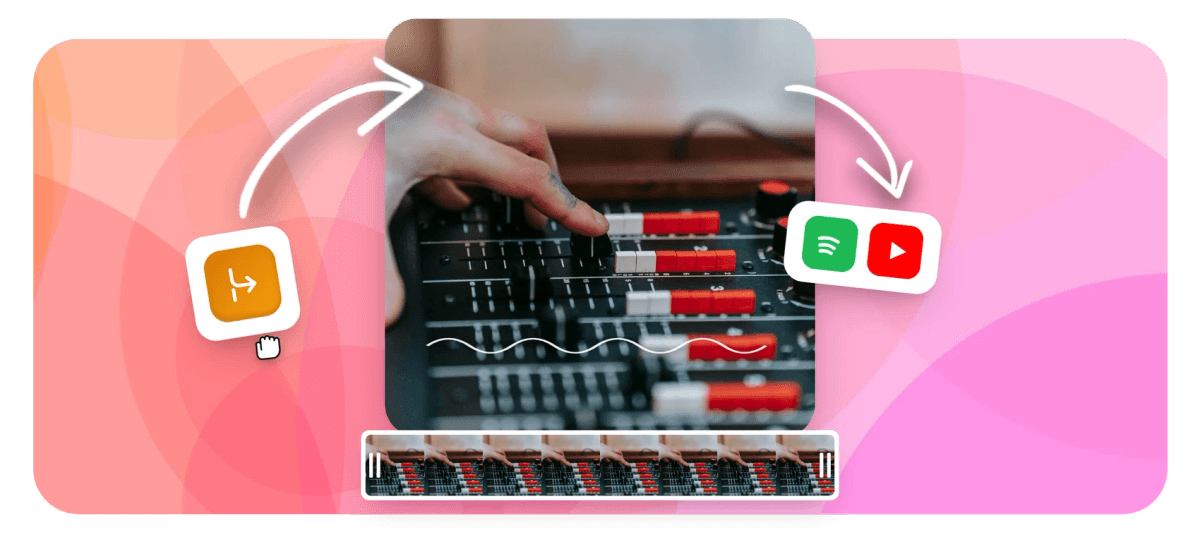
EchoWave is a free online audio merger that joins MP3, WAV, M4A and AAC tracks into one file right in your browser. Drag clips into the order you want, trim the edges, overlap voices and music, then export a single clean audio file for free.

Audio Merger: Merge Audio Files Online Features
Echowave is used by thousands of businesses around the world





EchoWave is a free online audio merger that lets you merge audio files in your browser. To combine audio files, upload your tracks to the audio merger, drag them into the order you want on the timeline, then trim, adjust volume or overlap clips as needed and export one joined file. It works as an MP3 merger, an audio joiner and an audio combiner in one place, runs in your browser, handles MP3, WAV, M4A and AAC, and the basic version is free.
What the EchoWave audio merger does
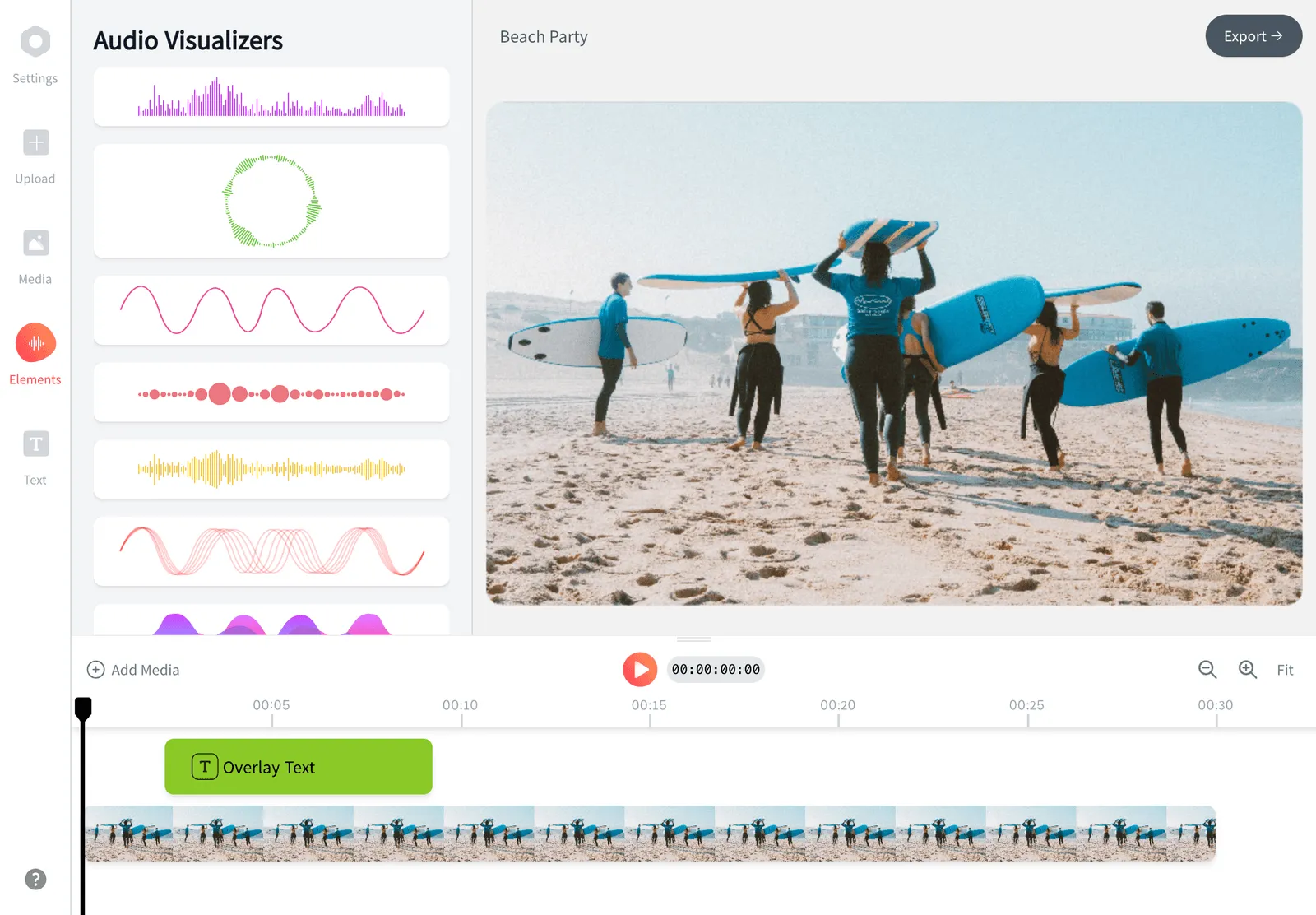
The EchoWave audio merger combines separate audio files into a single track. You can place clips end to end so they play in sequence (perfect for stitching podcast segments or chaptered recordings), or stack them on layered tracks so they play at the same time, which is how you put a voiceover over background music or blend two songs. Because the timeline is visual, you see exactly where each clip starts and ends instead of guessing, and you can nudge any clip a fraction of a second to tighten a transition.
This is not a one-button converter. It is a real multi-track editor that happens to be very good at joining audio, so you can do the small fixes that usually need a second app: trim dead air off the front of a recording, drop the music volume under a narration, fade a song out, or split a long file and keep only the parts you want before you combine everything.
How to merge audio files in detail
Start by adding every clip you plan to use. You can upload several files at once, and each one lands on the timeline as its own block you can move freely. Drag the blocks left or right to set their order and timing. For a continuous mixtape or audiobook, line them up edge to edge on one track. For layered sound, drop a second clip onto a track below the first so both play together.
From there you shape the result. Grab a clip edge to trim silence or a botched intro. Use the volume control to balance a quiet phone recording against a loud studio file so the join is not jarring. Add a short fade where two clips meet to avoid a hard click, the manual version of a crossfade. When the arrangement sounds right in the preview, export and EchoWave renders everything into one downloadable file.
Real use cases
Podcasters use it to assemble an intro, the main conversation, an ad read and an outro into one episode without opening desktop software. Musicians and DJs use it as a music merger and song merger, joining individual song files into a single continuous set or stitching verses and choruses recorded separately. Course creators and teachers combine narration with background music for lessons. People making ringtones merge a few seconds of two tracks, and anyone digitising old recordings can join split files (think Side A and Side B of a tape) back into one piece. The layering feature also covers voiceover work, where you talk over a music bed and export the mix as one file.
Supported formats and audio specs
The joiner accepts the common formats people actually have: MP3, WAV, M4A, AAC, plus OGG and FLAC. You can mix formats in a single project, for example join a WAV recording to an MP3 download, and EchoWave handles the conversion when it renders. The export is a standard, widely compatible audio file, so it plays on phones, in podcast apps, on the web and in other editors.
A quick note on quality: joining audio re-encodes the timeline, so for the cleanest result start from the highest-quality source files you have (a WAV or a high-bitrate MP3) rather than something already heavily compressed. Most files share a 44.1 kHz sample rate, which is the standard for music and voice; if your clips differ, the editor reconciles them on export so the merged file stays in sync.
Sequence versus overlap: two ways to combine
There are two different things people mean by combining audio, and EchoWave does both. Sequencing means clips play one after another, which is what you want for an episode, an album or a single long recording built from parts. Overlapping (or layering) means clips play simultaneously on separate tracks, which is what you want for music under speech, harmonies, sound effects or two songs blended together. If you have ever searched for how to overlap or overlay two audio files, the layered track is the answer: stack the clips, set where each one starts, and balance their volumes so neither buries the other. That makes EchoWave a capable audio overlapper and mp3 overlapper as well as a merger, with overlay audio handled the same visual way.
Is the audio merger free and private?
Editing happens in your browser, so your files are not posted to a public feed or shared with third parties, and the basic version of the audio merger is free with no software to install. The full editor adds a small EchoWave watermark to free exports, which you can remove on a paid plan; that watermark is visual, so audio-only exports are not affected by it. It works in modern desktop browsers like Chrome, Edge, Safari and Firefox. On phones and tablets a larger screen makes precise dragging easier, but you can still upload, reorder and export from mobile.
How to merge audio files online
-
1. Upload your audio files
Open the editor and add the tracks you want to combine. Drag and drop your files onto the timeline or click to upload from your device. MP3, WAV, M4A, AAC, OGG and FLAC are all accepted, and you can add several at once.
-
2. Arrange, trim and overlap
Drag clips into the order you want. Place them end to end to play in sequence, or stack them on separate tracks to play together. Trim the edges, balance the volume of each clip and add short fades where tracks meet for a clean join.

-
3. Merge and download
Preview the result to check the timing and levels, then export. EchoWave renders everything into one combined audio file and downloads it straight to your device.

How creators use EchoWave in real projects
Overlap audio vs merge audio: two different jobs
People use "merge" and "overlap" to mean opposite things, and picking the wrong one is the usual reason a mix comes out wrong.
Merging (joining) puts clips end to end. The first track plays, then the second starts. That is what you want for a podcast episode built from an intro, an interview and an outro, for an audiobook assembled from chapters, or for joining Side A and Side B of a tape rip back into one file. On the timeline, merging means dragging clips onto the same track so they sit edge to edge with no gap.
Overlapping (layering) plays clips at the same time. Both are audible at once and mix down into one output. That is what you want for a voiceover over a music bed, two songs blended into a mashup, a sound effect under dialogue, or harmonies recorded in separate takes. On the timeline, overlapping means giving each clip its own track, stacked vertically, so their time ranges cross.
How to overlap two audio files online free
- Upload both files. They can be different formats, for example an MP3 backing track and a WAV voice recording.
- Put the first clip on one track and the second on a separate track below it, rather than after it.
- Slide the second clip left or right until it starts where you want it. Stacked clips play together for as long as their time ranges overlap.
- Balance the levels with each clip's volume control so neither buries the other. A music bed usually sits well under a voice.
- Preview, then export. Both layers render down into one audio file.
How to merge audio online
Merging is the same setup with one change: keep every clip on a single track and butt them against each other in the order you want. Snapping pulls each clip flush to the end of the last one, so you do not end up with an accidental half second of silence at the join. Trim any dead air off the front of a clip before you snap it into place, and add a short fade where two clips meet if the change in room tone is audible between them. If joining is the only thing you need, the audio joiner is the same workflow with a narrower interface, and the audio cutter handles the trimming side before you combine anything.
EchoWave Audio Toolkit

About the EchoWave team
EchoWave is a browser-based video and audio editor built by Lemon Vault LLC since 2018. The people who build the editor write these guides and test every step in the production app before publishing.
Frequently Asked Questions
How do I merge two audio files into one?
Upload both files to the EchoWave editor, drag them onto the timeline in the order you want, then export. They render into a single combined file you can download.
Can I merge audio files of different formats?
Yes. You can mix formats in one project, for example join a WAV recording to an MP3, and EchoWave converts them into a single compatible file when it renders.
Which audio formats are supported?
The joiner works with MP3, WAV, M4A, AAC, OGG and FLAC. The merged file exports as a standard audio format that plays in podcast apps, on phones and in other editors.
Can I make two audio files play at the same time?
Yes. Place clips on separate layered tracks instead of end to end and they play together, which is how you overlap a voiceover with background music or blend two songs.
How do I overlap two audio files online free?
Upload both files, then put each one on its own track instead of placing them end to end. Slide the second clip along the timeline until it starts where you want, balance the two volumes so neither buries the other, and export. Both layers mix down into a single file. It is free and runs in your browser with nothing to install.
What is the difference between merging and overlapping audio?
Merging joins clips end to end so they play one after another, which is what you want for an episode, an album or a long recording built from parts. Overlapping stacks clips on separate tracks so they play at the same time, which is what you want for a voiceover over music, a mashup, or a sound effect under dialogue. EchoWave does both on the same timeline.
How do I merge audio online?
Upload your tracks to the browser editor, drag them onto one timeline track in the order you want so they sit edge to edge, trim any dead air at the joins, then export a single file. MP3, WAV, M4A, AAC, OGG and FLAC all work, and you can mix formats in the same project. There is nothing to install and no account needed to start.
Can I overlap an MP3 with a voiceover?
Yes. Put the MP3 on one track and the voice recording on another so they play together, then lower the music level so the voice stays in front. Fading the music down where the speech starts and back up afterwards keeps the words clear without cutting the track.
Is the audio merger free?
Yes, this is an audio merger online free to use, with no software to install. The full editor adds a small EchoWave watermark to free exports that you can remove on a paid plan; it does not affect audio-only files.
Do I need to create an account or install anything?
No installation is needed because everything runs in your browser. You can start merging right away and create an account when you want to save projects or export without the watermark.
Is there a limit to how many audio files I can combine?
You can add many clips to one project and arrange them freely on the timeline. Very large or long files take a little longer to render, but there is no hard cap on the number of pieces you join.
Can I trim or edit clips before merging them?
Yes. You can trim the edges, split a long file, adjust the volume of each clip and add fades, so the final join sounds balanced rather than abrupt.
Will merging reduce the audio quality?
Combining re-encodes the audio, so the cleanest results come from high-quality sources like WAV or high-bitrate MP3. Starting from already heavily compressed files limits how good the output can be.
How do I add a crossfade between songs?
Overlap the end of one clip with the start of the next on the timeline and add a short fade out and fade in where they meet. That manual crossfade smooths the transition between tracks.
Can I merge audio on my phone?
Yes, the editor runs in mobile browsers so you can upload, reorder and export from a phone or tablet. A larger screen makes precise dragging and trimming easier.
Can I combine audio with video too?
Yes. EchoWave is a full video editor, so you can add an audio track to a clip or merge separate video and audio. See the related tools below for adding audio to video.
Ready to merge audio? We have a free plan!
No credit card required, our free plan includes a small Echowave.io watermark.
Get Started →