How to Make a Podcast Media Kit for Sponsors and Press
A podcast media kit is a short, polished document or web page that helps sponsors, guests, journalists, and partners decide, in under a minute, that your show is worth their money or their coverage. Done well, it does the selling for you. A sponsor should be able to skim it and understand who listens, why those people trust you, what a placement costs, and how to book it, all without a single call.
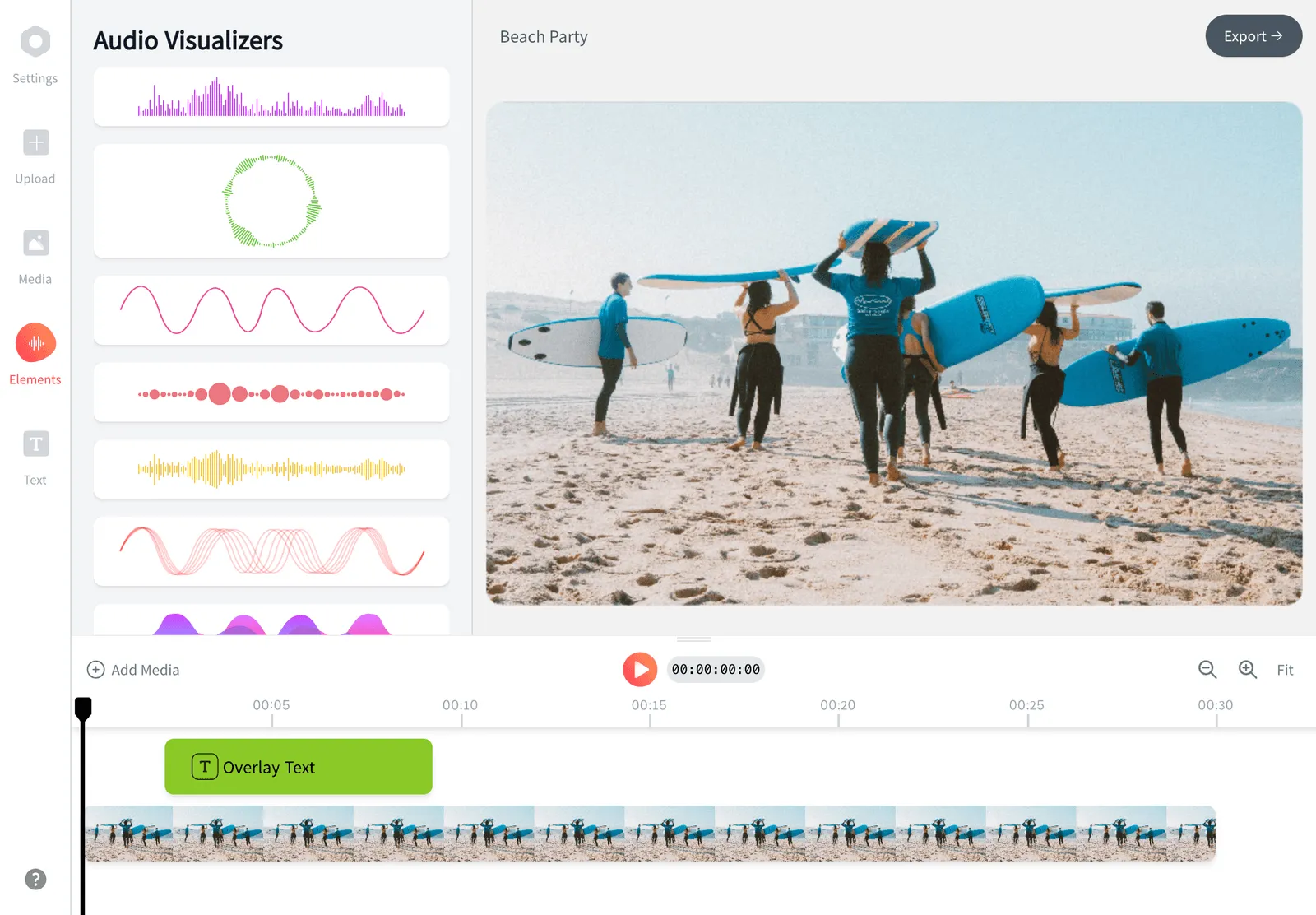
This guide goes deeper than the usual checklist. You get a copy-ready structure, the exact metrics sponsors look for, real 2026 CPM and package pricing so your rates land in the right range, the difference between a sponsor kit and a press kit, and the mistakes that quietly kill deals. If you want to add a video sizzle reel or a waveform clip to your kit, you can build one free in your browser with EchoWave.
Quick answer: what a podcast media kit should include
A strong podcast media kit fits on one to two pages and contains:
- Show positioning, a one-line promise that names the exact audience.
- Audience profile, who listens, where, and what they do for work.
- Reach and engagement metrics, downloads per episode, growth, completion rate.
- Host bio and credentials.
- Proof, reviews, testimonials, notable guests, press hits, brands you have worked with.
- Sponsorship packages and rates, so a buyer can self-qualify.
- Assets, cover art, host photo, logo, and a short clip or sizzle reel.
- Contact and a booking link.
One-page media kit structure
Keep the layout scannable. White space makes a kit easier to read, not emptier. Here is the section order that converts best for sponsors:
| Section | What to include |
|---|---|
| Header | Show name, tagline, artwork, one-line promise, contact |
| About | One paragraph on the show and what makes it different |
| Audience | Listener role, interests, geography, age, pain points |
| Numbers | Per-episode downloads, 30 and 90 day reach, completion rate, email and social size |
| Proof | Reviews, testimonials, notable guests, press, past sponsors |
| Packages | Pre-roll, mid-roll, post-roll, bundles, and price ranges |
| Assets | Logos, host photos, cover art, sample clips or sizzle reel |
| Contact | Email and a booking or calendar link |
If you would rather present this as a deck, the same eight sections map cleanly to a 7 to 8 slide PDF: cover, audience, metrics, engagement proof, packages and rates, brand safety and tracking, and contact.
Treat the media kit as a sales page for trust
A sponsor or journalist should understand the show, the audience, the proof, and the next step without scheduling a call first. Keep the design clean, the numbers easy to verify, and the contact button impossible to miss.
What creators say after trying EchoWave
Position the show in one sentence
A sponsor does not only buy downloads. They buy access to a specific audience in a specific context, at the moment that audience is paying attention. Your positioning line is the single most important sentence in the kit because it tells a buyer whether your listeners are their customers.
- Weak: "A podcast about business."
- Strong: "A weekly operations podcast for bootstrapped SaaS founders who want practical systems without hiring a large team."
The specific version is worth more per download, because a niche audience with clear buying intent converts better than a large, vague one. Name the listener, the topic, and the outcome they get.
The metrics sponsors actually want
Forget vanity counts. Sponsors evaluate fit and reliability, so lead with the numbers that predict results and label anything estimated.
- Average downloads per episode, measured over the first 30 days. This is the industry standard comparison metric, not total all-time downloads and not subscribers.
- Reach windows, downloads at 7, 30, and 90 days, so a sponsor can see the tail.
- Completion or consumption rate. Above 70 percent is strong and signals listeners stay through ad reads.
- Click-through or promo redemption, if you have run a code before. A healthy host-read baseline lands around 4 to 7 percent.
- Audience composition, age, gender split, top countries and cities, job roles or industries, and income or seniority if you have surveyed.
- Owned reach, newsletter subscribers, YouTube views, and social clip reach, which extends a placement beyond the feed.
- Growth trajectory, a simple month-over-month percentage line.
Pull these from your host dashboard, Spotify for Creators, Apple Podcasts Connect, and a short listener survey. Only include numbers you can explain on a call. If a figure is an estimate, say so. One inflated stat that gets caught costs you the whole deal.
How many downloads do you need for sponsors?
There is no magic threshold, and who downloads matters more than how many. That said, here is what different buyers expect in 2026:
| Path to sponsorship | Typical monthly download bar | Notes |
|---|---|---|
| Direct niche deals | 500 and up per episode | Works when your audience is a perfect fit, for example senior decision makers |
| Self-serve marketplaces | 5,000 and up per month | Lower bar, automated matching, smaller CPMs |
| Traditional ad networks | 10,000 to 15,000 and up per month | Higher bar, larger budgets, more vetting |
A show with 500 to 1,000 downloads an episode can still close direct deals if listeners are the right people. That is exactly why a sharp media kit matters at every size: it sells fit, not just scale.
Sponsorship packages and pricing
Sponsors compare you against other shows, so put your rates in a recognizable shape. Most podcasts price either by CPM (cost per thousand listens) or as flat packages. Offer three tiers so buyers can self-select, then leave room for custom.
2026 CPM benchmarks by placement
These are typical US host-read ranges. Niche audiences in finance, B2B, and technology command the top of each range or higher.
| Placement | Where it runs | Typical CPM (2026) | Best for |
|---|---|---|---|
| Pre-roll | First 30 to 60 seconds | $15 to $30 | Brand awareness, quick mentions |
| Mid-roll | Middle of the episode | $25 to $40 (finance/B2B $40 to $100) | Highest value, listeners are locked in |
| Post-roll | End of the episode | $10 to $20 | Lower cost, some listeners drop off |
To turn a CPM into a flat fee, multiply your per-episode downloads by the CPM and divide by 1,000. A show with 4,000 downloads selling a mid-roll at $30 CPM charges about $120 per episode for that slot.
Flat package tiers by show size
If you would rather quote a monthly or per-episode price than a CPM, these ranges keep you in market:
| Show size (downloads/episode) | Positioning | Monthly rate range |
|---|---|---|
| Under 500 | Hyper-niche, high completion | $200 to $400 |
| 500 to 1,500 | Clear audience, bundled assets | $400 to $800 |
| 1,500 to 5,000 | Defined niche, multi-placement | $800 to $1,800 |
| 5,000 and up | Premium positioning | $1,800 to $4,000 and up |
A three-tier package layout
| Package | Includes |
|---|---|
| Starter | One host-read mid-roll plus a link in show notes |
| Core | Pre-roll plus mid-roll, a newsletter mention, and one social clip |
| Full partner | Multi-episode recurring placement, social clips, newsletter, and a bonus segment |
| Custom | Workshop, live read, event, giveaway, or co-created content |
List what each tier delivers, not just the price. A sponsor needs to see deliverables to judge value, and "one mid-roll, 60 seconds, host-read, plus a tracked link" is far easier to approve than a bare dollar figure.
Add a 30 second video sizzle reel to your kit
Add visual proof that the show has momentum
A media kit should look like a show with traction, not a hobby. Pair your numbers with visuals a buyer can trust:
- Cover art and a clean host headshot
- Screenshots of notable guests or top reviews
- A labelled downloads chart, with the axis and dates visible
- Logos of brands you have worked with or featured
- Three to five short listener quotes
- A 30 to 60 second sizzle reel or a waveform clip of a standout moment
Video and waveform clips are the easiest assets to add and the most persuasive, because they show production quality directly. You can turn any episode into a captioned, branded clip with EchoWave's video editor, generate an animated waveform with the audio waveform video generator, or convert a full episode for social with the podcast to video tool. All of it runs free in the browser, so there is no software to install.
Media kit vs press kit: what is the difference?
These two documents are close cousins, and confusing them is a common mistake. A sponsor kit sells audience value. A press kit makes coverage easy. Use both, and tailor each to its reader.
| Sponsor media kit | Press kit (EPK) | |
|---|---|---|
| Audience | Brands, advertisers, agencies | Journalists, bloggers, event bookers |
| Goal | Sell ad placements and partnerships | Make it easy to cover or book you |
| Leads with | Audience data and packages | Story, bio, and ready-to-use assets |
| Pricing | Yes, rates and packages | No, this is editorial not commercial |
| Update cadence | Quarterly or at milestones | When a new season, award, or news drops |
For a press kit, include a short and a long show description, a host bio, approved high-resolution photos, brand logos, a list of notable episodes, a name pronunciation note if it helps, and a direct contact email.
How to build and host your media kit
You do not need a designer. The fastest route in 2026:
- Draft the copy using the eight sections above. Write tight; a sponsor skims.
- Design it in Canva, Google Slides, PowerPoint, or Keynote. Match your show's colors and fonts.
- Export a compressed PDF small enough to email, ideally under 5 MB.
- Publish a web version on your site at a clean URL like yoursite.com/sponsor, so you can share a link and update it without re-sending files.
- Add a booking link, a calendar or a short form, so interested buyers act immediately.
- Embed your sizzle reel in the web version and link it from the PDF.
Keep a live web page as the canonical version and the PDF as the leave-behind. Link both from your email signature, your show notes, and your press releases.
Common mistakes that lose deals
- Leading with vanity metrics that do not match the buyer's goal
- Hiding or burying the contact and booking link
- Listing prices with no deliverables, or deliverables with no prices
- Using download numbers that are months out of date
- Reporting total all-time downloads instead of per-episode 30 day averages
- Making the PDF too large to email
- Padding the kit with every episode instead of three to five best examples
- Forgetting listener testimonials and brand-safety notes
- No video or audio clip, so a sponsor cannot hear or see the production
Final recommendation
Ship a concise web version and a downloadable PDF, refresh both every quarter or whenever you hit a milestone, and lead with fit over size. The best media kit feels current, specific, and easy to act on. Add a short branded clip so a sponsor can experience the show in seconds, and make the next step a single click.
Sources & further reading
- Podcast Measurement Technical Guidelines, IAB Tech Lab
- Downloading your show's analytics data, Spotify for Creators

About the EchoWave team
EchoWave is a browser-based video and audio editor built by Lemon Vault LLC since 2018. The people who build the editor write these guides and test every step in the production app before publishing.
Frequently Asked Questions
Do I need a media kit for podcast sponsorship?
You can land sponsors without one, but a media kit makes it far easier. It answers a sponsor's first questions, who listens, how many, and what a placement costs, before they have to ask, which speeds up yes or no decisions and signals that you run the show professionally.
What should a podcast media kit include?
Show positioning, an audience profile, reach and engagement metrics (per-episode downloads, completion rate, growth), a host bio, social proof such as reviews and past sponsors, sponsorship packages with rates, brand assets like logos and a sample clip, and a clear contact or booking link.
How many downloads do I need to get podcast sponsors?
There is no fixed threshold and audience fit matters more than size. Direct niche deals can work from around 500 downloads per episode, self-serve marketplaces often start near 5,000 per month, and traditional ad networks usually want 10,000 to 15,000 or more monthly downloads.
What CPM should I charge for podcast ads?
In 2026, typical US host-read CPMs run about $15 to $30 for pre-roll, $25 to $40 for mid-roll, and $10 to $20 for post-roll. Finance, B2B, and tech shows often command $40 to $100 mid-roll. Multiply your per-episode downloads by the CPM and divide by 1,000 to get a flat fee.
What is the difference between a media kit and a press kit?
A sponsor media kit sells audience value and includes pricing for advertisers and brands. A press kit, or EPK, makes coverage easy for journalists and bookers and leads with your story, bio, and ready-to-use photos and logos, with no pricing. Most podcasters keep both.
Where do I put my media kit?
Host a web version at a clean URL like yoursite.com/sponsor and keep a compressed PDF as a leave-behind. Link both from your email signature, show notes, and press releases. A live page lets you update numbers without re-sending files.
How often should I update my media kit?
Refresh the numbers whenever you hit a milestone, and at a minimum once per quarter. Stale download figures are one of the fastest ways to lose credibility with a sponsor who checks the dates.
How long should a podcast media kit be?
Keep it to one or two pages, or a 7 to 8 slide deck. Sponsors skim, so prioritize the audience profile, metrics, and packages. Move extra detail like a full episode archive to your website rather than the kit.
Which metrics do sponsors care about most?
Average downloads per episode over the first 30 days, completion rate (above 70 percent is strong), audience composition (roles, geography, age), growth trend, and any past ad performance like promo code redemptions. Lead with these, not total all-time downloads or subscriber counts.
How do I make a media kit if I am just starting out?
Lead with fit instead of scale. Sharpen your positioning to a specific listener, show your completion rate and growth, add testimonials, and offer a few low-cost packages or a free trial read. A tight niche kit can outperform a bigger but vaguer show.
Can I add a video or audio clip to my media kit?
Yes, and you should. A 30 to 60 second sizzle reel or a waveform clip proves your production quality instantly. You can make one free in your browser with EchoWave, then embed it in your web kit and link it from the PDF.
What tools should I use to build a podcast media kit?
Canva, Google Slides, PowerPoint, or Keynote handle the design. Pull stats from your host dashboard, Spotify for Creators, and Apple Podcasts Connect. Use EchoWave to turn episodes into the branded video and waveform clips your kit needs.
Make the video assets for your media kit Free, in your browser
Turn an episode into a captioned sizzle reel or waveform clip for your kit. No credit card required, the free plan adds a small Echowave.io watermark.
Get Started →