Free Video Overlay Editor: Layer Video, Images and Text Online
Add a video overlay online for free, no account needed. Put an image over video, or stack a second video, image, logo or text on top of your clip to build picture in picture, split screen, free video overlays and watermark effects, all in your browser.

Free Video Overlay Editor: Layer Video, Images and Text Online Features
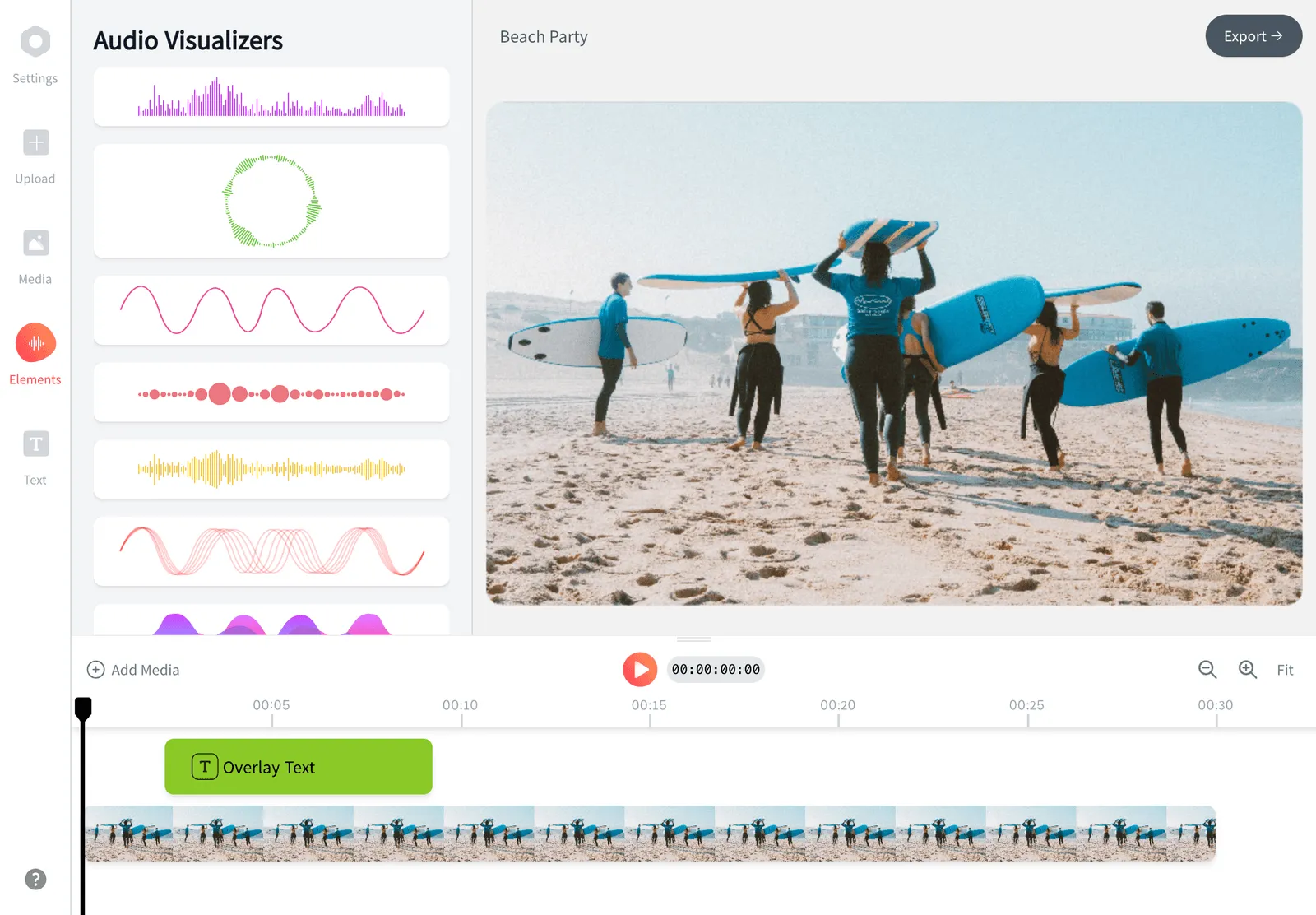
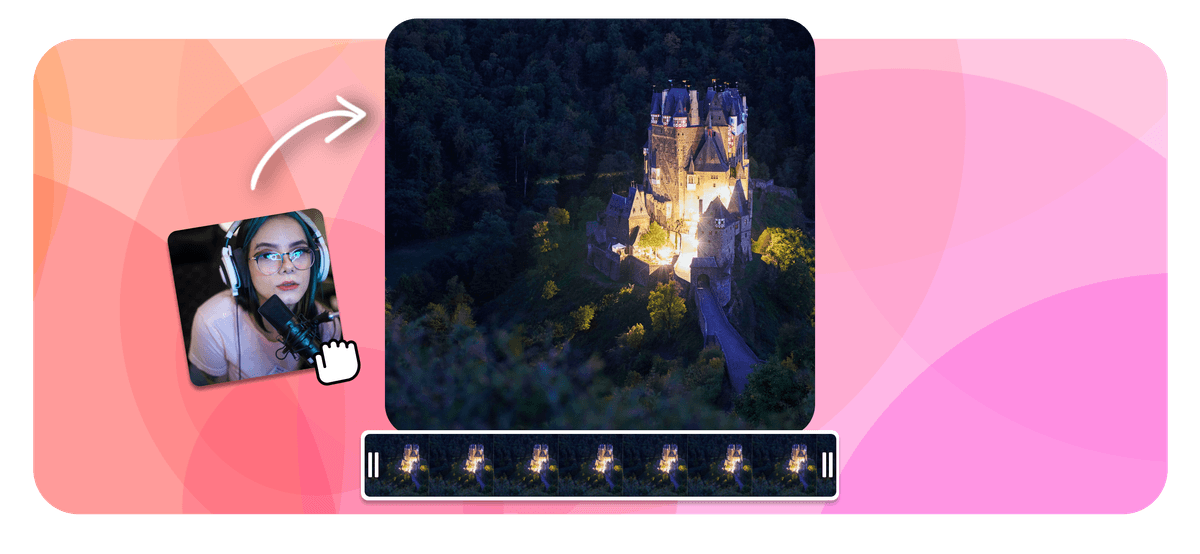
A video overlay places one element, a second video, an image, a logo or text, on top of your main clip so both show at once. With this free video overlay editor you upload your base video, add the overlay on a new layer above it, then resize, position and time it before exporting. Put an image over video, superimpose one video on another, or overlap two clips, all free, browser-based, and with no account.
Echowave is used by thousands of businesses around the world





How to overlay a video
Layer a video, image or text over your clip in three steps:
-
1. Upload your base video
Drop the clip you want as the background layer onto the timeline. MP4, MOV, WebM and most common formats work.

-
2. Add your overlay layer
Add a second video, image or text on a track above. Drag to position it, scale it, and set its opacity and timing.
-
3. Export your video
Preview the layered result, then export and download the finished video to your device.
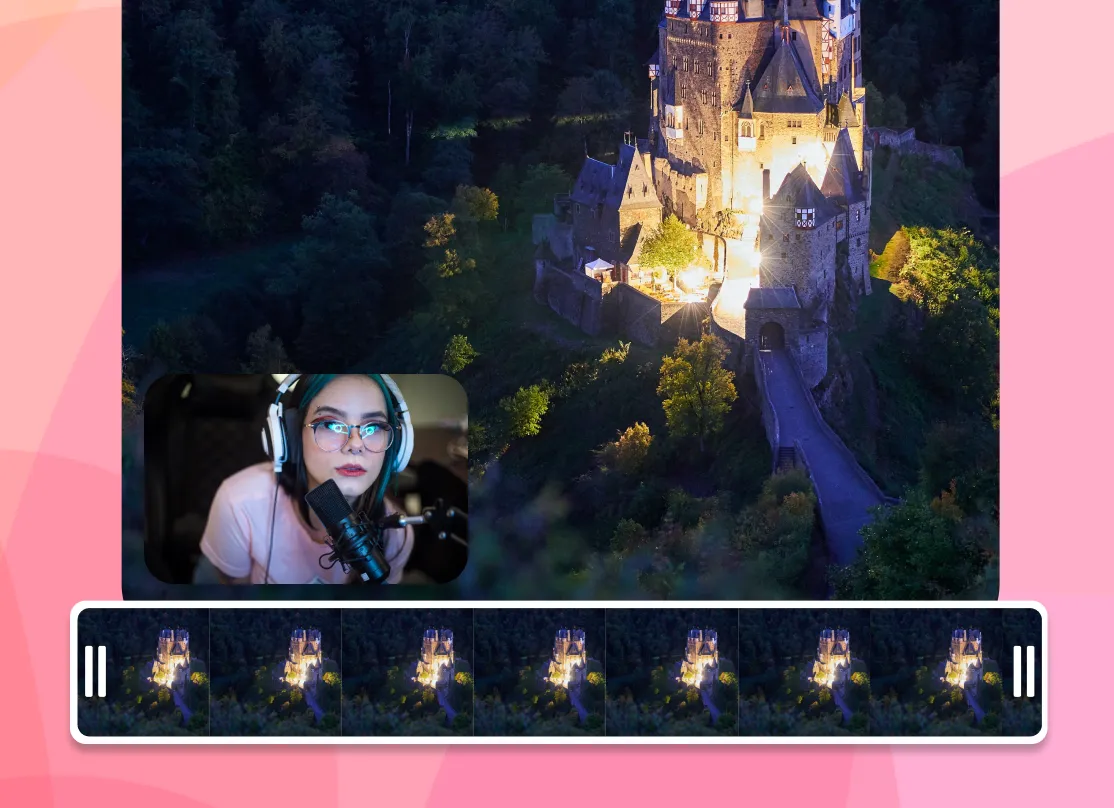
What creators say after trying EchoWave
Online Video Overlay Editor
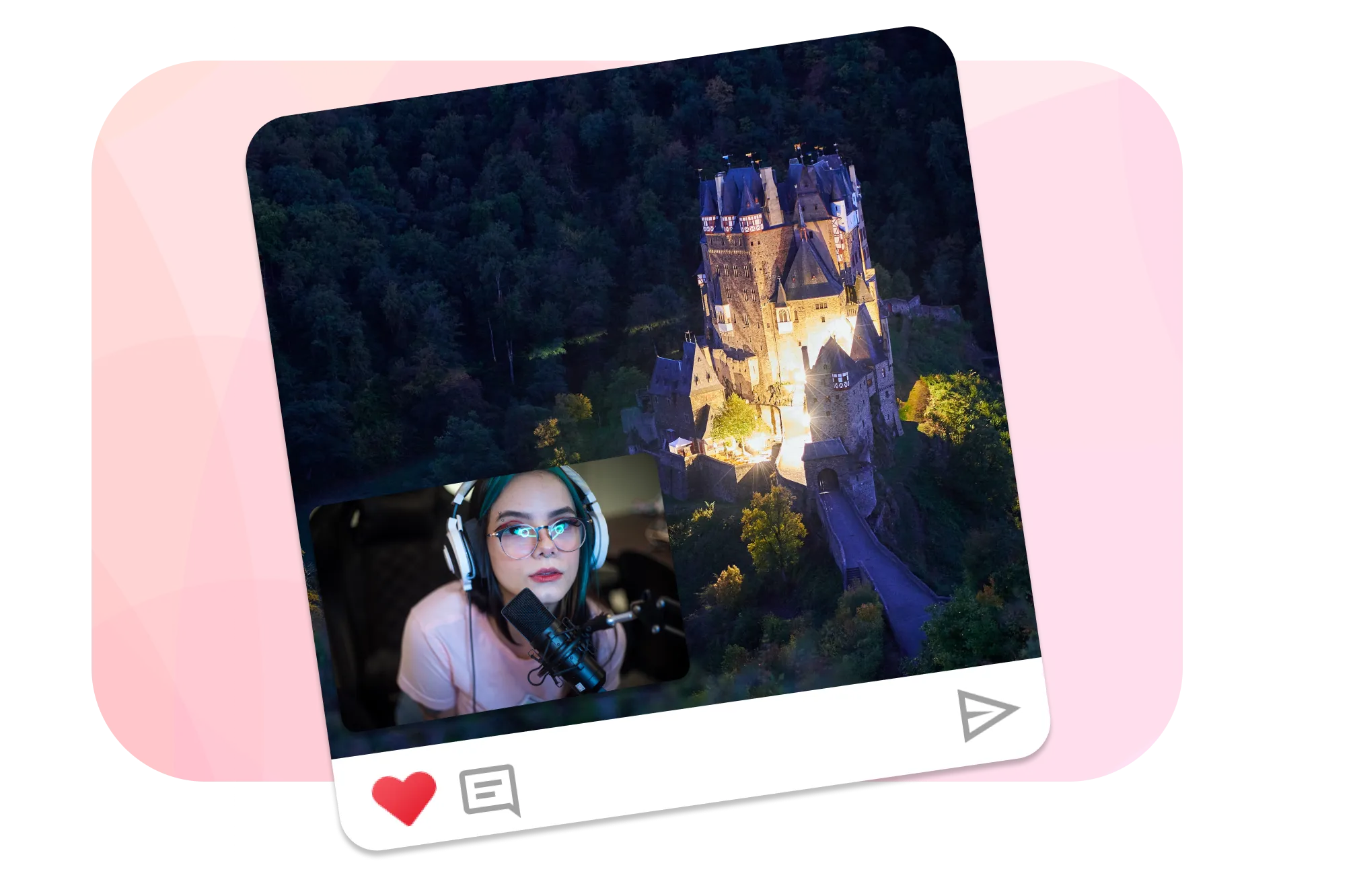
Overlay one video over another
Drop a commentary cam, reaction clip or B-roll on top of your main footage to overlay a video on another video. Superimpose one clip over a second, overlap two videos, or add as many video tracks as you need to build multi-cam layouts.
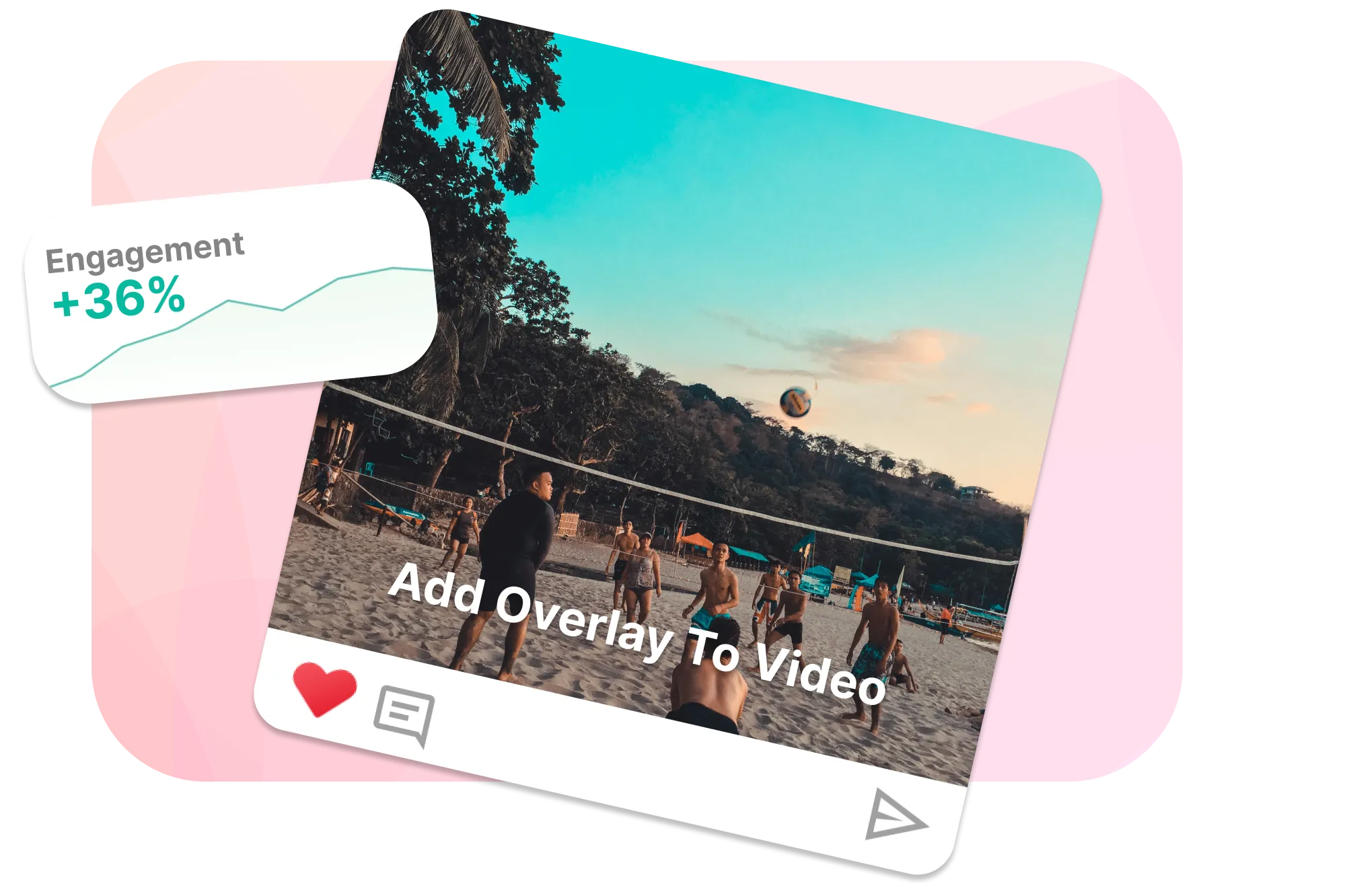
Add image, logo and text overlays
Put an image over video the easy way: layer a PNG logo, a still photo, an animated GIF, or moving text over your clip. Control opacity for a watermark look or full opacity for a graphic. The same layering also drops in video overlay effects, so you can add a film grain, light leak, snow, rain or smoke overlay video texture on a track above your footage.
How the video overlay editor works
Every overlay in EchoWave sits on its own layer above the base video, and each layer is independent. That separation is what makes overlay editing flexible: you can change one element without disturbing the rest.
For each layer you control four things. Position sets where it sits in the frame, drag it anywhere or snap it to a corner. Size scales it from a small corner bubble up to full-frame, with the aspect ratio locked so nothing stretches. Timing decides when the overlay appears and disappears, so a logo can stay on screen the whole clip while a callout flashes for two seconds. Opacity controls transparency, drop it to around 20 to 40 percent for a subtle watermark, or keep it solid for a graphic that needs to read clearly.
Layer order matters too. The track at the top of the stack renders in front, so a text caption placed above a webcam clip will always sit over it. Reorder layers any time to change what shows on top. Because everything happens in your browser, your footage is never uploaded to a server you do not control, and there is nothing to install.
How to overlay a video on another video
- Open the editor and upload the clip you want underneath. Drop it on the timeline as your base layer.
- Upload the second video and add it to a track above the first. Both clips now share the canvas, and the top track renders in front.
- Scale the top clip with its corner handles. Around a quarter of the frame gives you a corner bubble, half the frame gives you a side by side.
- Drag it into position, then set its in and out points on the timeline so it appears only for the seconds you want. Leave it full length for a webcam that runs the whole clip.
- Balance the sound. Each clip keeps its own audio, so mute one, drop the level on the other, or keep both.
- Preview the layered result and export a single MP4.
Those six steps are the whole method for how to overlay a video on a video, and they do not change with the content of the top layer, whether it is a reaction cam, a second camera angle or a full-frame texture. Lower the top layer's opacity instead of shrinking it and the two clips blend into each other, which is the ghosted, superimposed look rather than a stacked one. Add a third and fourth layer the same way to build multi-cam grids.
Image overlay online
An image overlay follows the same layer logic with a still in place of a clip. Upload a JPG, PNG, WebP or GIF, put it on a track above the video, then size and time it exactly as you would a video layer. A transparent PNG is the file you want for a logo or a cut-out graphic, because it sits on the footage with no white box behind it. Full frame suits a texture, a border or a banner across the top; a corner placement at reduced opacity gives you a watermark instead. Because this image overlay runs online in your browser, there is nothing to install and no account needed to start, and the add image to video tool is the stripped-back version when a single still is all you need.
Picture-in-picture and split-screen
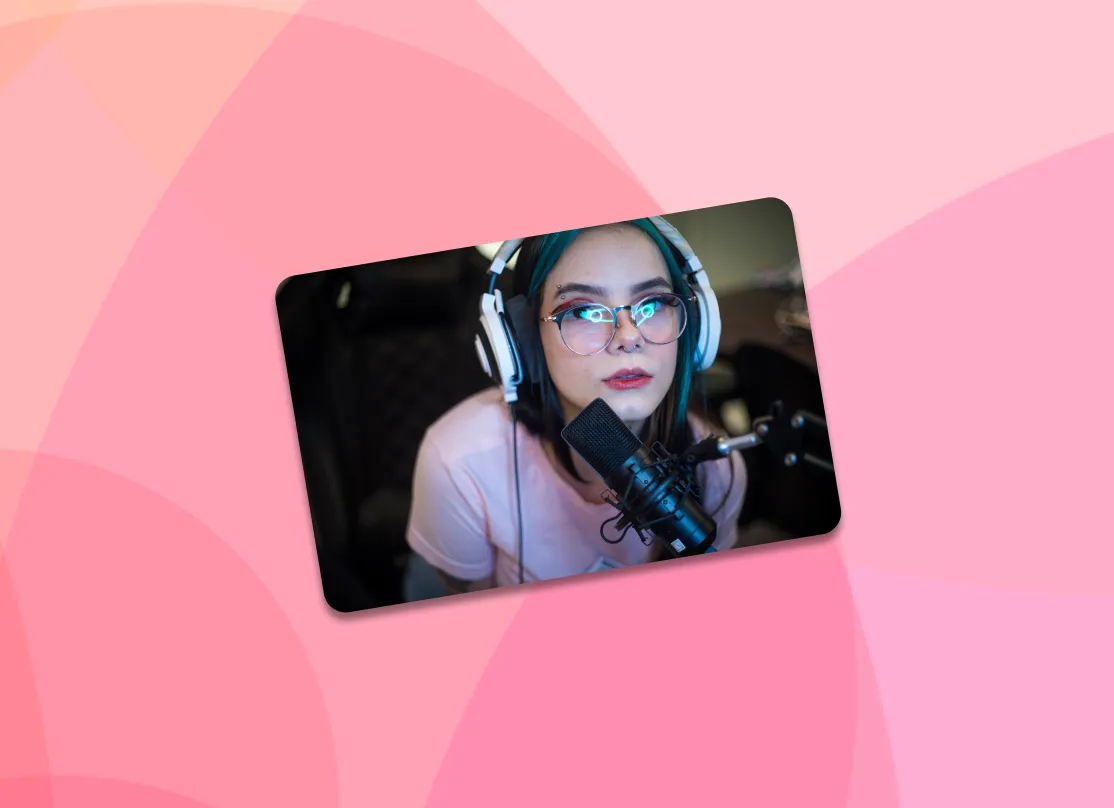
Picture-in-picture (PiP) is the most common video overlay: a smaller video plays on top of a larger one. It is the webcam bubble in the corner of a gameplay clip, the reaction face over a TikTok, or a product close-up floating over a wide shot. To build it, add your second clip to a layer above the main video, scale it down to roughly a quarter or a third of the frame, and drag it into a corner. Keep faces clear of the very edge so platform interface buttons do not cover them.
A split-screen shows two clips at full size at the same time. Add both videos, then position one on each half of the frame: left and right for a side-by-side comparison, or top and bottom for a stacked layout that suits a vertical 9:16 phone screen. For a quick side-by-side without manual nudging, the dedicated split-screen tool and the video collage maker snap clips into preset grids for you. You can keep adding layers to build three-up and four-up multi-cam grids.
How to put an image over a video
To overlay a picture, photo or logo over your footage and put an image over video:
- Upload the video you want as the background and drop it on the timeline.
- Add your image (JPG, PNG, WebP or GIF) as a new layer above the video. Use a transparent PNG so a logo sits cleanly without a white box around it.
- Drag it into position and resize it, full-frame for a texture or graphic, or tucked into a corner for a watermark.
- Set when the image appears and disappears, adjust opacity if you want it semi-transparent, then export.
This is the fastest way to overlay an image on video online, with nothing to install. It also works the other way around: set a photo as the background and add a clip on top to add video to an image or photo. For a single still photo over a clip you can also use the dedicated add image to video tool, and for a brand mark there is a focused add logo and watermark workflow.
Overlay sizes for TikTok, Reels, YouTube and OBS
Match your canvas to where the video will be posted, then place overlays inside the safe area so captions and buttons do not cover them.
- TikTok, Instagram Reels and YouTube Shorts use a vertical 9:16 frame (1080 by 1920). Keep important overlay content away from the bottom third and the right edge, where the caption and action buttons live. A reaction or commentary cam usually reads best as a PiP bubble in the top half.
- Instagram feed and square posts use 1:1 (1080 by 1080). A stacked top-and-bottom split fits this shape neatly.
- YouTube and most landscape video use 16:9 (1920 by 1080). Corner webcam overlays and lower-third name graphics are the standard here.
- Streamers and OBS users often want to overlay a static frame, alert or facecam border. Export the overlaid clip from EchoWave, or build the composited layout here and drop the finished file into your scene.
EchoWave does not stretch overlays when you scale them, so a square logo stays square on a vertical canvas. Resize the project canvas itself with the resize video tool if you need to repurpose one edit for several platforms.
Supported formats, quality and limits
EchoWave reads the common formats most cameras, phones and screen recorders produce: MP4 (H.264), MOV, WebM and M4V for video, and JPG, PNG, WebP and GIF for image overlays. Exports are MP4, which plays everywhere and uploads cleanly to every social platform.
Overlay layering does not re-compress your base footage beyond the final export, so quality stays close to the source. You can also overlay audio on a video on the same timeline: add a music or voiceover track to layer sound over the picture alongside your visual overlays. Because the editor runs in your browser, very long or very high-resolution files lean on your device's memory; if a clip stalls, trim it first with the video trimmer or shrink it with the video compressor before adding overlays. Most phones, tablets and laptops handle standard 1080p clips comfortably.
One honest note on watermarks: this overlay editor is part of the full EchoWave editor, and free exports carry a small EchoWave watermark that you can remove on a paid plan. The dedicated quick tools, crop, trim and compress, export with no watermark at all.
What is a video overlay?
A video overlay is any element, a second video, an image, a logo, text or a graphic, that is layered on top of your main footage so both are visible at once. Overlays are how editors create picture-in-picture, split-screen comparisons, watermarks, lower-third name bars, and animated effects like film grain or light leaks.
In EchoWave, each overlay lives on its own layer with its own size, position, timing and opacity. You can stack as many layers as a clip needs and export the result for free from your browser, with no account required to start. It is a flexible alternative to heavier video overlay software, and you can drop in AI video overlay elements like a generated image or animated graphic on a layer of their own.

About the EchoWave team
EchoWave is a browser-based video and audio editor built by Lemon Vault LLC since 2018. The people who build the editor write these guides and test every step in the production app before publishing.
Frequently Asked Questions
How do I overlay a video on another video?
Upload your main clip as the base layer, add the second video on a track above it, then resize and position it. Scale it down for a corner picture-in-picture or keep it half-size for a side-by-side.
How do I overlay a picture or image on a video for free?
Upload your video, add the image (JPG, PNG, WebP or GIF) as an overlay layer, then adjust its size, position and timing. EchoWave is free to use and runs in your browser. You can also use the focused add image to video tool.
How do I overlay a video onto a photo?
Set the still image as the background layer, drop your video on a layer above it, then scale and position the video over the photo. This is handy for placing footage inside a phone or frame mockup.
What is picture in picture video?
Picture in picture video is a video overlay where a smaller video plays on top of a larger one, like a webcam bubble in the corner of a gameplay or reaction clip. Scale the overlay down and drag it to a corner to create it.
How do I superimpose or overlap two videos?
Place each clip on its own layer and let them overlap in time and on screen. Lower the opacity of the top layer to superimpose one video over another for a blended or ghosted look, or keep it solid and scale it down to put a video inside a video.
How do I put a video in the corner of another video?
Add the second clip on a layer above the base video, scale it down to about a quarter of the frame, then drag it into a corner. That gives you a corner picture in picture bubble, ideal for a webcam or reaction cam.
Can I overlay a video on a video online for free?
Yes. The video overlay editor runs online in your browser, with no software to download and no account needed to start. Upload the base clip, add the second video on a track above it, size and time it, then export. Free exports from the full editor carry a small EchoWave watermark that a paid plan removes.
What is an image overlay?
An image overlay is a still picture, photo, logo or graphic layered on top of a video so both are visible at once. It is how watermarks, banners, badges and cut-out graphics are made. Upload a JPG, PNG, WebP or GIF, place it above your clip, and control its size, position, timing and opacity. Transparent PNGs sit on the footage with no background box.
How many video layers can I stack in one project?
There is no fixed limit on layers, so you can stack a base clip, several video overlays, images and text in the same project. Reorder the tracks to change what renders in front. Very long or high-resolution clips lean on your device's memory, so trim or compress heavy files first if playback gets sluggish.
How do I make a side-by-side or split-screen video?
Add two clips and place each on one half of the frame, left and right, or top and bottom for vertical video. For a preset grid without manual nudging, try the split-screen or video collage tool.
What is an overlay in video editing?
An overlay is any element, a video, image, logo, text or graphic, layered over the main footage so both are visible. Common uses are watermarks, captions, lower thirds and picture-in-picture effects.
Can I overlay text or a logo on my video?
Yes. Add text on its own layer with the add text workflow, or upload a transparent PNG logo and position it anywhere in the frame, including a semi-transparent corner watermark.
Can I add a cutout video overlapping another video?
You can stack clips and control each layer's opacity and order. For a true cutout where the subject's background is removed, prepare the clip with a transparent background first, then drop it on as an overlay layer.
What file formats does the overlay tool support?
It reads MP4 (H.264), MOV, WebM and M4V video, plus JPG, PNG, WebP and GIF for image overlays. Exports are MP4, which uploads cleanly to TikTok, Instagram, YouTube and everywhere else.
Does the video overlay tool work on mobile?
Yes. EchoWave runs in any modern browser on phone, tablet or desktop, with no app to install. Standard 1080p clips work comfortably on most devices.
Ready to overlay video? We have a free plan!
No credit card required, our free plan includes a small Echowave.io watermark.
Get Started →