Add Text to GIF Online
Type a caption, label, or animated text overlay onto any animated GIF, right in your browser. Pick the font, color, and position, then export your finished loop in seconds. Free, no sign-up to start, nothing to install.

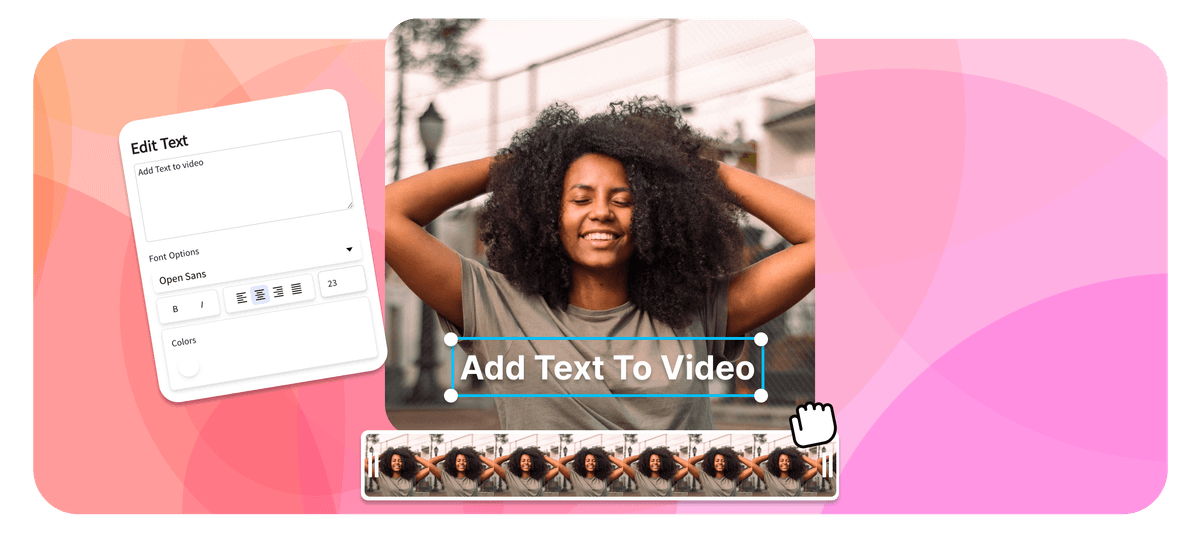
Add Text to GIF Online Features
Echowave is used by thousands of businesses around the world





Adding text to a GIF means placing a caption, title, or label over the looping animation so it reads the same way every time it plays. EchoWave is a free GIF caption maker: you upload the GIF, drop a text box onto the canvas, set the font, size, color, and position, choose how long the words stay on screen, and export. It runs in your browser, so there is nothing to download, and the original animation keeps looping behind your text. Whether you want a quick meme line or polished animated text on a GIF, the whole job takes a couple of minutes.
How to add text to a GIF
A GIF is a sequence of still frames played in a loop. When you add text to a GIF, you are drawing a caption layer on top of those frames so it appears across the playback. EchoWave loads your GIF onto a visual canvas, then you add a text element you can drag, resize, and restyle exactly where you want it.
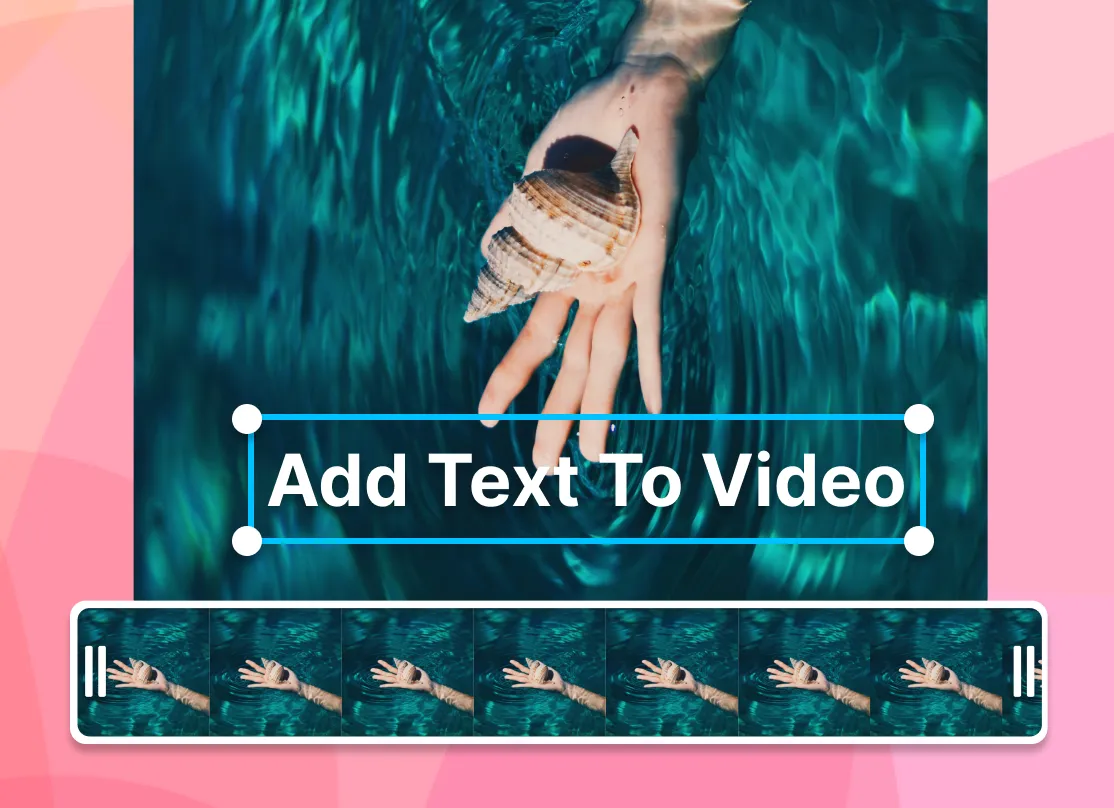
You control two things that matter most for a clean result: position and timing. Position keeps the words clear of busy areas of the frame, and a contrasting color or a subtle drop shadow keeps them legible against motion. Timing decides whether the caption sits on screen for the whole loop or only part of it. On the timeline you can trim the text layer so a punchline lands a beat after the action, or hold a label for the full duration. When you export, EchoWave flattens the text into the frames and re-encodes the loop, so the caption is baked in and travels with the file wherever you share it.
You are not limited to one line. Stack a title at the top and a caption at the bottom, add a small credit or handle in a corner, or layer two captions that appear at different moments. Each text element is independent, so you can give each one its own font, color, and on-screen window. The same steps let you put text on a GIF for a meme, add a caption to a GIF for a tutorial, or label a product loop, all from the same canvas.
Real ways people use it
Reaction and meme captions. The classic top-and-bottom Impact-style caption that turns a clip into a shareable meme. Keep it short, high-contrast, and centered so it reads at a glance in a feed.
Social posts and stories. A short label or call to action over a looping clip for Instagram, X, Threads, or a Discord server. Branded handles and hashtags help the GIF get found and credited when it spreads.
Product and marketing demos. Annotate a screen-recording GIF with step labels like "Click here" or "New in v2" so a silent loop explains itself without a voiceover. This is common in changelogs, docs, and landing pages.
Tutorials and how-to loops. Teachers and support teams add numbered captions to a short demo so each step is clear even with the sound off, which is how most GIFs autoplay.
Greetings and personal touches. Add a name, a "Happy Birthday," or an inside joke to a reaction GIF before you send it in a chat or group thread.
Supported formats and specs
Upload an animated GIF and EchoWave keeps the loop intact while you add text. You can also bring in MP4, MOV, WebM, or M4V video if you would rather caption a clip and then export it as a GIF, which is often the better path for long or high-frame-rate footage.
When you export you choose the output. GIF keeps the universal autoplay-and-loop behavior that works everywhere, including older chat apps and email. MP4 produces a far smaller file at much better visual quality, which is the right choice for most modern social platforms that play MP4 inline and actually prefer it over GIF. If your captioned GIF needs to stay a GIF but the file is large, export it and run it through a compressor to bring the size down.
GIF has real limits worth knowing before you commit: it tops out at 256 colors per frame, has no real audio track, and grows in file size quickly as dimensions, frame rate, and length increase. For anything longer than a few seconds, MP4 will look better and weigh less.
Platform-specific guidance
Instagram, TikTok, and stories favor a vertical 9:16 frame and play MP4 cleanly, so caption your loop, then export MP4 for the sharpest result. Keep text inside the central safe area so interface buttons do not cover it.
X (Twitter) and Discord autoplay GIFs and MP4 in the timeline. A 1:1 square or 16:9 landscape frame reads well in both. X converts uploaded GIFs to MP4 behind the scenes, so exporting MP4 yourself gives you control over quality.
iMessage, WhatsApp, and SMS send GIFs as looping animations. Keep the GIF small (under a few hundred KB where possible) so it sends quickly and previews correctly on mobile.
Email and Slack display GIFs natively and loop them in the message body. Square or landscape frames sit best inside a message column. Keep the file modest so it loads fast for everyone on the thread.
Quality, size, and limits
Legibility beats decoration. A bold sans-serif font, a color that contrasts with the frame, and a thin outline or drop shadow will stay readable while the animation moves underneath. Avoid placing text over the busiest part of the loop, and leave a margin from the edges so nothing gets cropped by a platform's player.
Watch the file size. Because GIF stores each frame as an image, longer or larger captioned GIFs balloon fast. If your export feels heavy, reduce the dimensions, trim a second or two off the loop, lower the frame rate slightly, or export MP4 instead. For a true GIF that still needs to shrink, send it through EchoWave's video compressor after you add the text.
Everything happens client-side in your browser during editing, so your GIF is processed for you to preview without being posted anywhere public. EchoWave is free to use; the free plan exports include a small EchoWave watermark, which you can remove on a paid plan.
Device and browser support
The editor runs in any modern browser, including Chrome, Safari, Firefox, and Edge, on Windows, macOS, ChromeOS, and Linux. There is nothing to install and no extension to add.
It works on phones and tablets too. On an iPhone or Android device you can open the editor in your mobile browser, upload a GIF from your camera roll or files, add and position your caption with touch, and export, all without an app. That makes it a practical way to caption a reaction GIF on the go before you drop it into a chat.
How to add text to a GIF
Caption your animated GIF in three steps:
-
1. Upload your GIF
Open the EchoWave editor and upload your animated GIF, or drag and drop it onto the canvas. You can also bring in an MP4 or MOV clip if you want to caption a video and export it as a GIF.

-
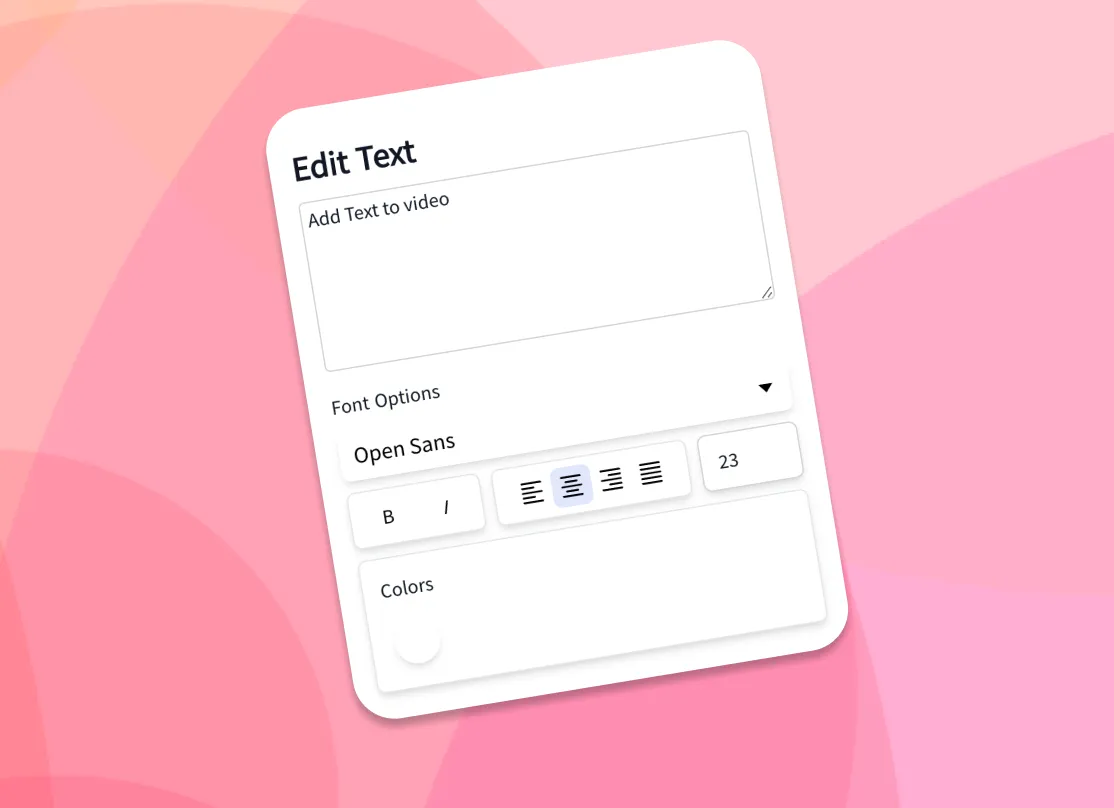
2. Add and style your text
Choose 'Add Text' from the sidebar or drag it onto the canvas. Type your caption, then set the font, size, and color. Drag the text where you want it, and use the timeline to control when it appears and how long it stays.
-
3. Export your GIF
Click 'Export' and download your captioned loop as a GIF, or save it as an MP4 for smaller file size and better quality on modern platforms.
How creators use EchoWave in real projects
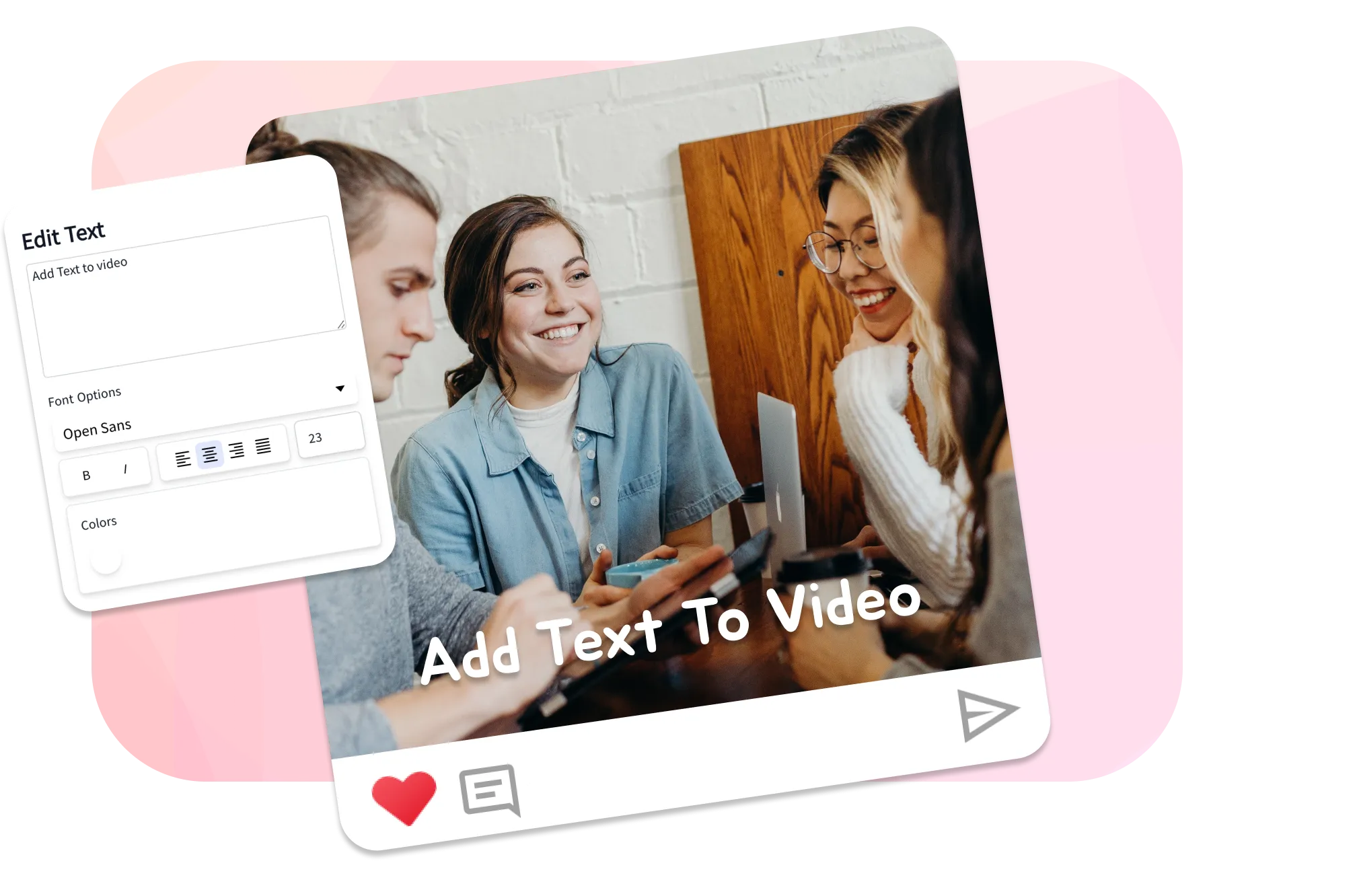
Style every caption your way
Pick the font, size, color, and alignment for each line of text, then add a drop shadow or outline so the words stay readable while the GIF loops. Stack a title and a caption, drop a handle in a corner, and give each element its own look. Because every text layer is separate, you can fine-tune one without touching the rest.
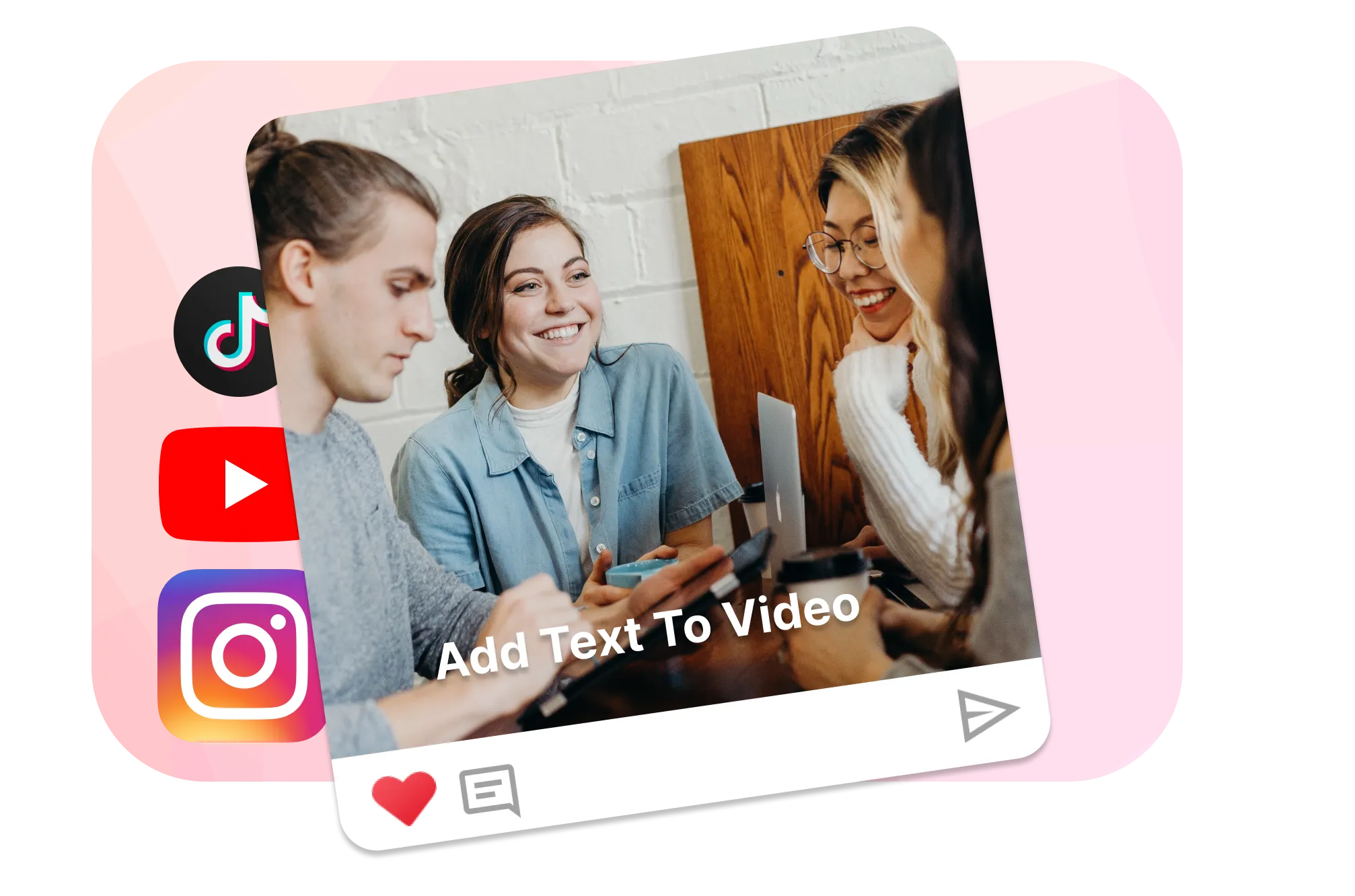
Control when your text appears
Use the timeline to decide exactly when each caption shows up and how long it stays on screen. Hold a label for the whole loop, or time a punchline to land a beat after the action. Trim, nudge, and preview your timing before you export so the result reads cleanly on autoplay.
Caption styles that work on a GIF
The style you pick does more work than the words. A few looks that reliably read well on a loop:
Meme caption. A bold condensed sans in white with a black outline, set in caps, one line at the top and one at the bottom. It is the format people recognize instantly, and the outline is what keeps it legible while the frames underneath change.
Lower-third label. A single line in the lower part of the frame, often on a translucent bar, carrying a name, a handle or a short explainer. It stays clear of the action, which suits product and tutorial loops.
Step callouts. Short numbered labels that appear one after another, timed on the timeline so each shows while its matching action happens. Ideal for a screen-recording GIF that has to explain itself with no sound.
Animated text. Fade, slide or pop the caption in rather than cutting it on hard. A moving title reads as intentional rather than pasted on, and it pulls the eye to the words on the first loop. The animated text tool covers the same effects for video.
Corner handle. A small, low-contrast username or logo tucked into a corner so the GIF stays credited as it spreads. Keep it in from the edges so no platform crops it off.
Whichever look you choose, contrast is the rule that matters most. Text sitting over a busy or bright part of the loop needs an outline, a shadow or a backing bar behind it, because the pixels underneath are moving and a plain fill will vanish for a few frames.
Your GIF stays animated
Adding a caption does not flatten your GIF into a still image. The frames and their timing are preserved, the loop keeps running, and your text is drawn over the top of it. You can play the loop back in the editor with the caption in place, so what you preview is what you export.
Because the caption is baked into the frames on export, it travels with the file. Anyone you send it to sees the text, whether they open it in a chat app, a browser or an email, and there is no separate subtitle file to attach or lose.
The one real decision is what you export. Keeping it as a GIF preserves the autoplay-and-loop behavior that works everywhere, including older chat clients. Exporting MP4 gives you a much smaller file and better color, and most modern platforms prefer it. The formats section above covers when each is the right call, and GIF to MP4 will convert a finished loop if you would rather caption it first and convert afterwards. If you are captioning ordinary footage rather than a loop, add text to video is the same editor aimed at MP4 clips.

About the EchoWave team
EchoWave is a browser-based video and audio editor built by Lemon Vault LLC since 2018. The people who build the editor write these guides and test every step in the production app before publishing.
Frequently Asked Questions
How do I add text to an existing GIF?
Open the EchoWave editor, upload your GIF, and choose 'Add Text'. Type your caption, set the font and color, drag it into place, then export. The original animation keeps looping behind your text.
Is adding text to a GIF free?
Yes. EchoWave is a free online GIF caption maker, so you can add text to a GIF in your browser at no cost and without paying for software. Free exports include a small EchoWave watermark, which you can remove on a paid plan.
How do you add animated text to a GIF?
Add a text element, then apply a fade or slide animation in the text settings and use the timeline to set when the words appear and how long they stay. Preview the loop, adjust the timing, and export.
Can I add text to a GIF without losing the animation?
Yes. The text is drawn as a layer on top of the looping frames, so the animation plays exactly as before. On export, the caption is baked into every frame so it travels with the file.
Will adding text reduce the quality of my GIF?
The text itself stays crisp. GIF is limited to 256 colors per frame, so re-encoding can shift colors slightly. For the best quality and a much smaller file, export as MP4 instead of GIF where the platform supports it.
Can I add text to a GIF on my iPhone or Android phone?
Yes. Open the editor in your mobile browser, upload a GIF from your camera roll, add and position the caption by touch, and export. No app to install.
How do I make a meme-style caption on a GIF?
Put text on a GIF in two lines, one at the top and one at the bottom, choose a bold font with a contrasting outline, and center them. Keep the wording short so the meme text reads at a glance in a feed.
Can I add more than one text caption to a GIF?
Yes. Add as many text elements as you need. Each one has its own font, color, position, and on-screen timing, so you can place a title, a caption, and a handle independently.
What is the best font and color for GIF text?
A bold sans-serif in a color that contrasts with the frame, plus a thin outline or drop shadow, stays readable while the animation moves. Avoid placing text over the busiest part of the loop.
Should I export as a GIF or an MP4?
GIF works everywhere and autoplays in chat and email. MP4 is much smaller and looks sharper, and most modern social platforms prefer it. Choose MP4 unless you specifically need a GIF file.
My captioned GIF is too big. How do I shrink it?
Reduce the dimensions, trim a second or two off the loop, lower the frame rate, or export as MP4. For a file that must stay a GIF, run it through the video compressor after adding text.
Is my GIF kept private?
Editing happens in your browser, so your GIF is processed for your own preview and not posted anywhere public. You stay in control of where the finished file goes.
Can I add text to a GIF without a watermark?
Editing is free and there is no signup to start. Exports on the free plan carry a small EchoWave watermark, and any paid plan removes it, so your captioned GIF downloads clean.
How long can my captioned GIF be?
There is no fixed limit, but GIF file size climbs quickly with length, frame rate and dimensions, so a few seconds is the practical sweet spot. For a longer loop, export MP4 instead, or shorten it with the video trimmer before you add your caption.
Can I add text to a GIF I found on Giphy or Tenor?
Yes. Download the GIF to your device first, then upload it to the editor and caption it like any other file. Check the original creator's terms before resharing something that is not yours.
Can I change or remove the text after I add it?
Yes. Every caption stays an editable layer while you work, so you can retype it, restyle it, move it, retime it or delete it. The text is only baked into the frames when you export.
Ready to get started? We have a free plan!
Add text to a GIF in your browser. No credit card required; the free plan adds a small Echowave.io watermark you can remove on a paid plan.
Add Text to a GIF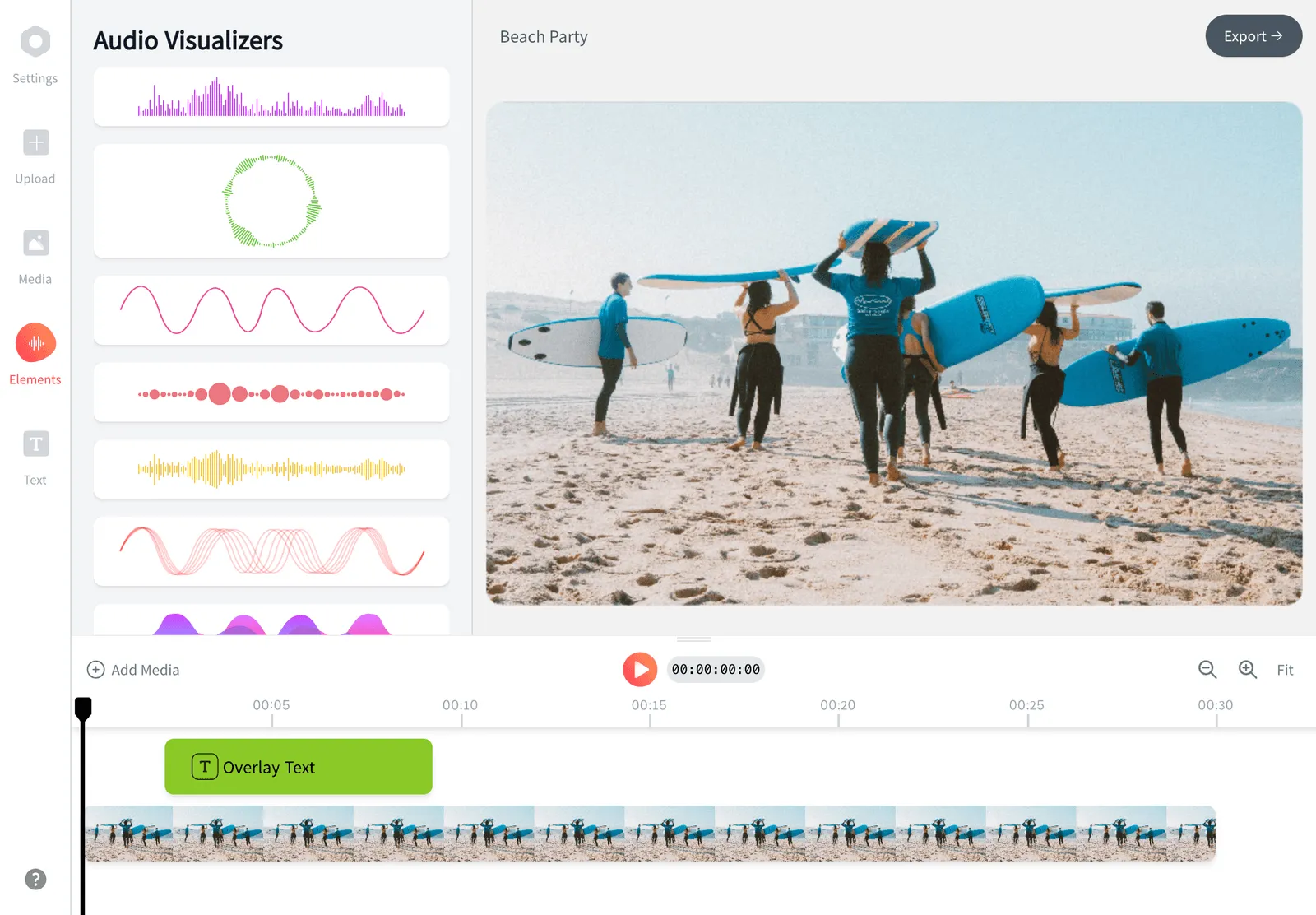
Ready to caption your GIF?
No credit card required; the free plan adds a small Echowave.io watermark you can remove on a paid plan.
Get Started