Add Audio to MP4 Online, Free
Drop an MP3, music track, or voiceover onto your MP4, line it up on the timeline, and export a finished video. Everything runs in your browser, with no software to install.

Add Audio to MP4 Online, Free Features
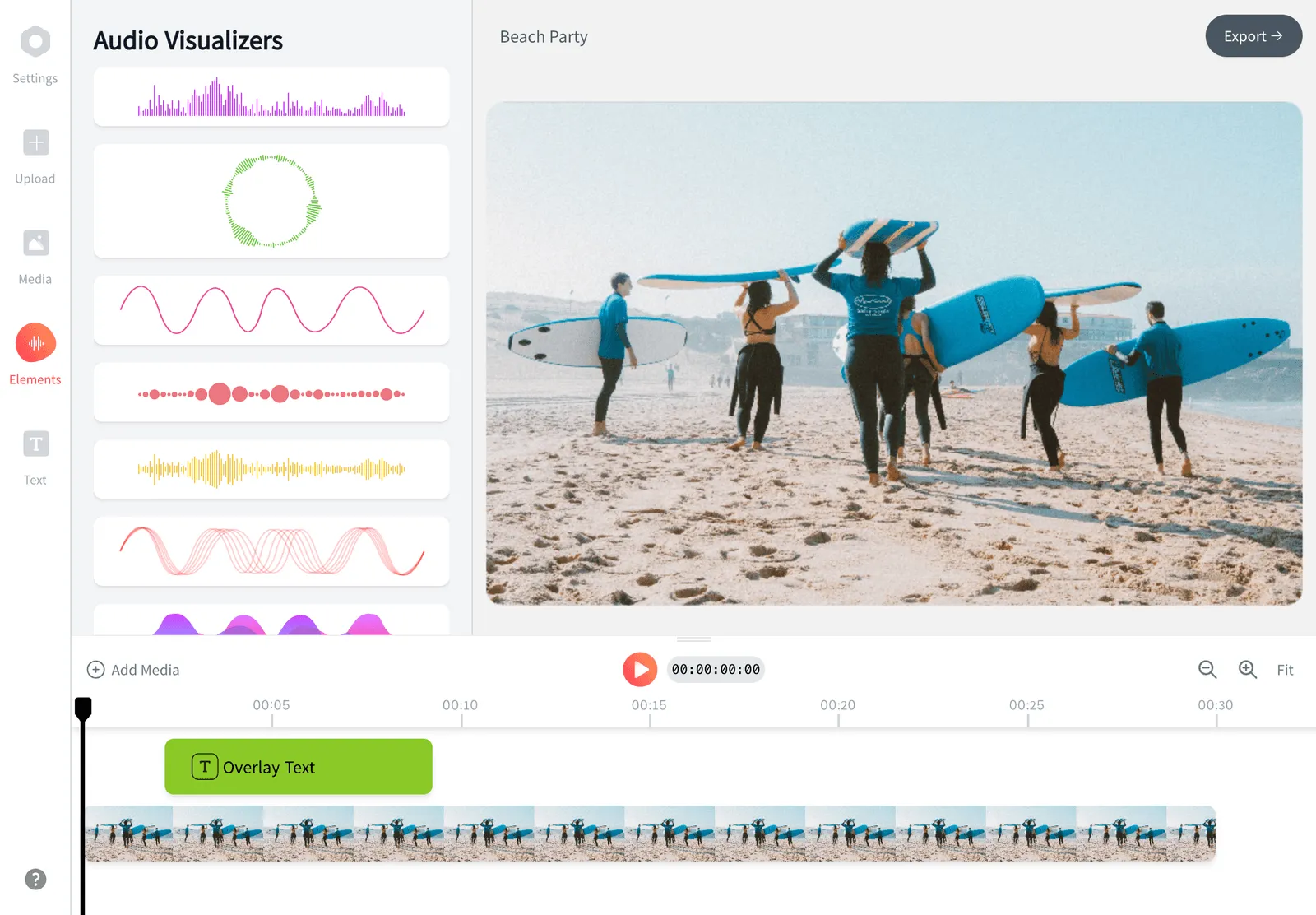
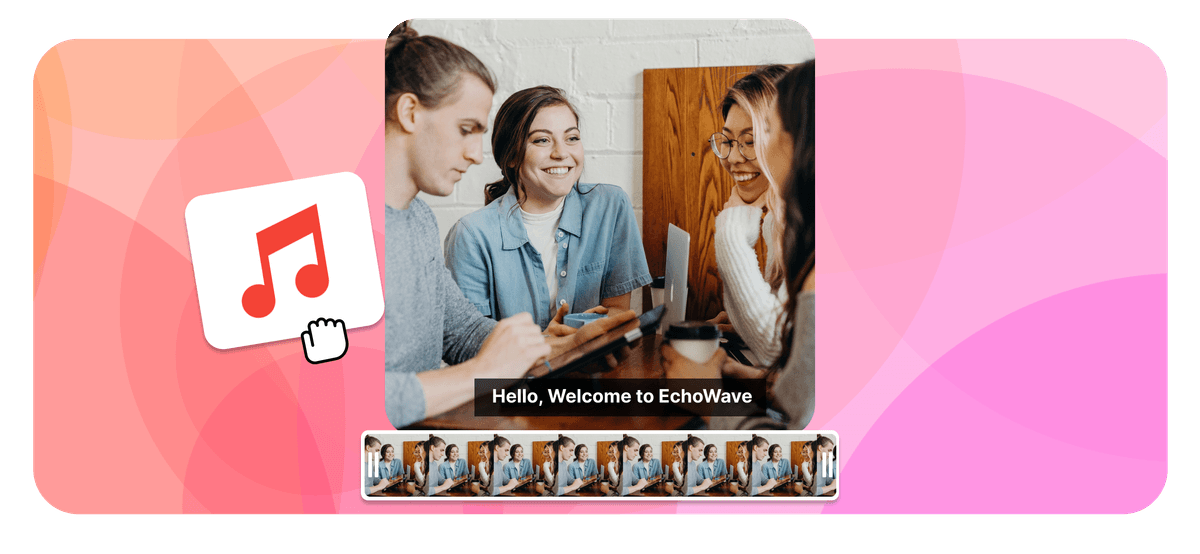
To add audio to an MP4 online, open the EchoWave editor, upload your MP4 video and your audio file (MP3, WAV, M4A, or AAC), then drag the audio onto a track below the video. Move it to set where the sound starts, trim it to length, set the volume, and export a new MP4 with the audio baked in. Whether you want to add an MP3 to an MP4, add music to an MP4, or drop a sound effect into the clip, it is free and works in any modern browser.
Echowave is used by thousands of businesses around the world





How to Add Audio to an MP4 Video
You need two files to start: the MP4 you want to score and the audio you want to add. EchoWave reads the common audio formats, so an MP3, WAV, M4A, or AAC file will all import without conversion.
-
1. Upload your MP4 and your audio file
Click Select MP4 File to upload the video, then bring in your audio the same way. You can keep the video's original sound or mute it so the new track stands alone, which is handy when you are replacing a clip's audio with a clean voiceover or fresh background music.

-
2. Place, trim, and balance the audio
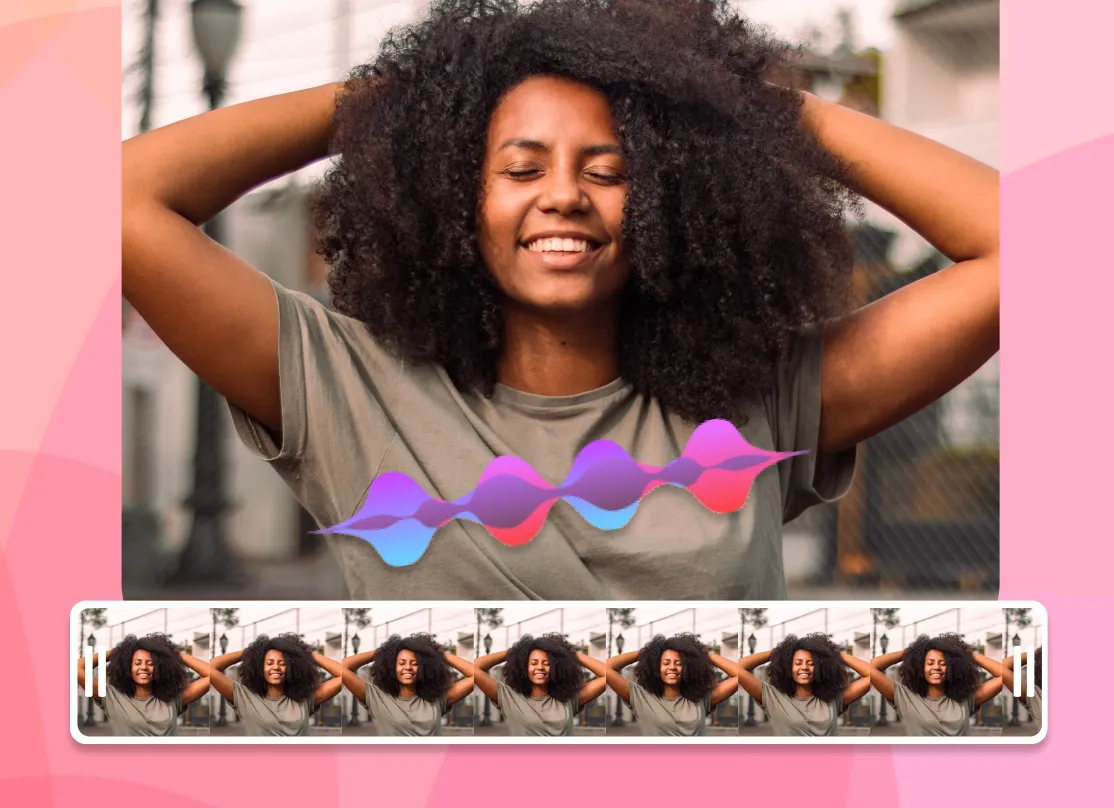
Drag the audio onto a track under the video and slide it left or right to set exactly where the sound begins. Trim the ends to match the clip length, add fade in and fade out for clean starts and stops, and set the volume so music sits under speech instead of drowning it. You can stack more than one track to layer music, narration, and sound effects.

-
3. Export your new MP4
When the audio lines up the way you want, click export. EchoWave renders the video and audio into a single MP4 at the resolution you choose, ready to download and post. Free exports carry a small EchoWave watermark you can remove on a paid plan.
What creators say after trying EchoWave
Add an MP3 to an MP4, or add music and sound
The most popular version of this job is to add an MP3 to an MP4: you have a song or a recording as an MP3 and you want it playing over your footage. EchoWave does exactly that, and the same workflow lets you add music to an MP4, add a sound effect, or add sound to an MP4 that was filmed silent. Drop the file in, place it on a track, and export.
Add new audio or replace the original sound
There are two jobs people usually mean by adding audio to an MP4, and EchoWave handles both. The first is mixing: you keep the video's existing sound and lay a new track over the top, so background music plays under dialogue or a narrator talks over ambient noise. The second is replacing: you mute the original audio entirely and let the new track carry the clip, which is what you want for a screen recording with no usable sound, a silent phone clip, or a track you are re-scoring from scratch.
Because you are working on a real timeline rather than a one-shot converter, you decide track by track. Mute the source audio with one toggle, or pull its volume down to a low bed and keep a hint of the room. Each track has its own volume and fade controls, so a music track can duck while a voiceover plays and rise again afterwards. That level of control is the difference between a video that sounds layered and one where two sounds fight each other.
Real ways people use this tool
The most common job is to add music to MP4 footage: music behind a clip like a montage, a product shot, a travel reel, or a slideshow that feels flat in silence. People also add sound to MP4 clips that came out of the camera silent, such as a screen capture or a drone shot. Creators add a voiceover to screen recordings and tutorials so viewers hear the explanation instead of reading captions alone. Marketers drop a licensed track and a short call to action onto an ad cut for Instagram, TikTok, or YouTube. Podcasters and musicians turn an audio file into something watchable by pairing it with footage or artwork. Sound effects, stings, and transition whooshes are easy to place precisely because you can nudge a clip frame by frame on the timeline.
Supported formats and file specs
EchoWave accepts MP4 video alongside the audio formats people actually have on hand: MP3, WAV, M4A, AAC, and similar. MP3 is the everyday choice for music and the most searched pairing for this task, so to add an MP3 to an MP4 you just import the file and it lands as a new audio track on the MP4. WAV is best when you want an uncompressed master before export; M4A and AAC are what most phones and voice recorders produce. Your video can be H.264 or H.265 inside the MP4 container, which covers nearly every camera, phone, and screen recorder.
On export you choose the output resolution, and adding audio does not soften the picture as long as you export at the source resolution. The final file is a standard MP4 with an AAC audio track, which plays everywhere: phones, browsers, smart TVs, and every social platform. If your file is large after editing, run it through the video compressor to shrink it for upload without an obvious quality drop.
Platform guidance for social and YouTube
Match the aspect ratio to where the video is going before you export. Vertical 9:16 suits TikTok, Instagram Reels, and YouTube Shorts; square 1:1 works well in feeds; and 16:9 is the standard for landscape YouTube. Keep music under roughly minus 16 to minus 14 LUFS so a voiceover stays clear, and watch your sources: TikTok, Instagram, and YouTube all run audio fingerprinting, so use tracks you have the rights to or your video can be muted or taken down after upload. For YouTube specifically, picking a track from a royalty-free library keeps you clear of Content ID claims.
Privacy, browser support, and pricing
EchoWave runs in the browser, so there is nothing to install and no plugin to manage. It works in current versions of Chrome, Edge, Safari, and Firefox on Windows, macOS, ChromeOS, and Linux, and you can start a project on a phone, though a laptop or desktop is easier for fine timeline work. The tool is free to use, and a paid plan removes the small watermark from exports and lifts limits. If you only need a quick no-frills audio swap rather than a full edit, EchoWave's dedicated quick tools for cropping, trimming, compressing, and converting export with no watermark at all.

About the EchoWave team
EchoWave is a browser-based video and audio editor built by Lemon Vault LLC since 2018. The people who build the editor write these guides and test every step in the production app before publishing.
Frequently Asked Questions
How do I add audio to an MP4 online?
Open the EchoWave editor, upload your MP4 and your audio file, drag the audio onto a track under the video, set its start point and volume, then export a new MP4. The whole process happens in your browser with nothing to install.
How do I add an MP3 to an MP4 file?
Upload both files, drop the MP3 onto an audio track below the video, and trim or move it so it lines up with the footage. Export and EchoWave combines the MP3 and the MP4 into one downloadable video file.
How do I add music to an MP4 video?
To add music to an MP4, upload the video and your music file, drag the track onto a timeline under the video, and set where it starts. You can keep the original sound and lay the music on top, or mute the clip so the music carries it. This is also how you add background music to an MP4.
How do I add an audio track to an MP4, or several?
EchoWave is a multi-track editor, so you can add one audio track to an MP4 or stack a music bed, a voiceover, and sound effects on separate tracks. Each track has its own volume and fade controls so the layers do not clash.
Does adding audio reduce the video quality?
No, as long as you export at the source resolution. Adding an audio track does not re-encode or soften the picture, and the export is a standard MP4 with an AAC audio track.
What audio formats can I add to an MP4?
MP3, WAV, M4A, and AAC all import directly, which covers music files, recordings from phones and voice recorders, and uncompressed masters. There is no need to convert your audio first.
How do I add audio to an MP4 in VLC?
VLC can play an external audio file alongside a video, but it replaces rather than mixes audio and saving the result reliably is fiddly. For placing, trimming, and balancing audio with a preview, a timeline editor like EchoWave is the more direct route.
Can I add audio to an MP4 on my iPhone or Android?
Yes. EchoWave runs in the mobile browser, so you can upload an MP4 and audio file and export from Chrome or Safari. A laptop or desktop makes fine timeline adjustments easier, but a phone works for quick jobs.
Is it free to add audio to an MP4 with EchoWave?
Yes, it is free. Free exports include a small EchoWave watermark, which a paid plan removes. If you want a watermark-free result for a simpler edit, EchoWave's quick crop, trim, compress, and convert tools export with no watermark.
Can I use any song I want for TikTok or YouTube?
Only if you hold the rights to it. TikTok, Instagram, and YouTube use audio fingerprinting, so a copyrighted track can lead to a muted or removed video or a Content ID claim. Royalty-free or licensed music is the safe choice.
How do I sync the audio to a specific moment in the video?
Drag the audio clip along its track until it starts at the right point, using the preview to confirm the timing. You can nudge it frame by frame for tight cues like a beat drop, a transition, or a spoken line.
Ready to add audio to your MP4 file?
No credit card required, our free plan includes a small Echowave.io watermark.
Get Started